
Commercial Air-conditioning Cleaning or Repair: How to Decide
Visible dirt or a hygiene-related odour may justify cleaning. Persistent leakage, breaker trips, abnormal noise, alarms or inadequate cooling need fault assessment. Site staff should record the symptom, location and timing, without opening equipment or repeatedly restarting it.
Image note: This image is a concept visual created for the topic of this article, not a photograph of an Evolt Cool Engineering project.
Three points to establish first
When deciding how to handle Commercial Air-conditioning Cleaning or Repair: How to Decide, start with these points and link each one to the actual equipment, location and responsible person.
Visible dirt or dust
Obvious dirt on filters, grilles or accessible components may support a cleaning enquiry while other symptoms remain separately recorded. Where the available information cannot support a conclusion, state the photograph, test or site confirmation still required rather than presenting an assumption as a result.
Operating problem
Weak airflow, prolonged poor cooling, repeated shutdowns or unstable operation should be recorded with timing, affected zones and controller indications. Keep this information in the same record so the quotation, site arrangements and completion review use consistent equipment names and locations.
Safety warning
Where there is tripping, a burning smell, smoke, abnormal heat or water near electrical equipment, stop using the affected system and restrict access. The site representative can then check each location and record unresolved items before the work date instead of dealing with them at mobilisation.
Let the symptom determine the next step
Cleaning and repair are not interchangeable fixed answers. Separate visible contamination, operating problems and safety warning signs before deciding the work required.
To turn Commercial Air-conditioning Cleaning or Repair: How to Decide into a workable site arrangement, Bring visible dirt or dust, operating problem, safety warning into one decision view so the site representative can see what is confirmed and what still needs clarification. If the actual condition differs from the submitted information, update the scope, owner and date before deciding whether the affected work can continue.
In the record for Commercial Air-conditioning Cleaning or Repair: How to Decide, the resulting record should separate equipment identity, site conditions and unresolved points so the next person does not need to reconstruct the decision. The record should be clear to someone who was not present and distinguish completed work, unavailable checks and separately arranged follow-up.
When the need is more likely to be cleaning
Cleaning is suited to confirmed contamination and hygiene work on specified components. Any improvement in airflow or odour still depends on the actual cause.
Before approving work related to Commercial Air-conditioning Cleaning or Repair: How to Decide, Compare dust on filters or grilles, maintenance records support the need, no clear safety abnormality against the same equipment, constraints and acceptance requirements rather than relying on the total price or one visible symptom. For several units or areas, separate the record by floor, zone or equipment type so one exception does not obscure the rest of the review.
In the record for Commercial Air-conditioning Cleaning or Repair: How to Decide, the comparison should state the common baseline, explain why each difference matters and identify anything that must be confirmed before approval. Keep the responsible person, confirmation date and next action together instead of leaving an important constraint across separate message threads.
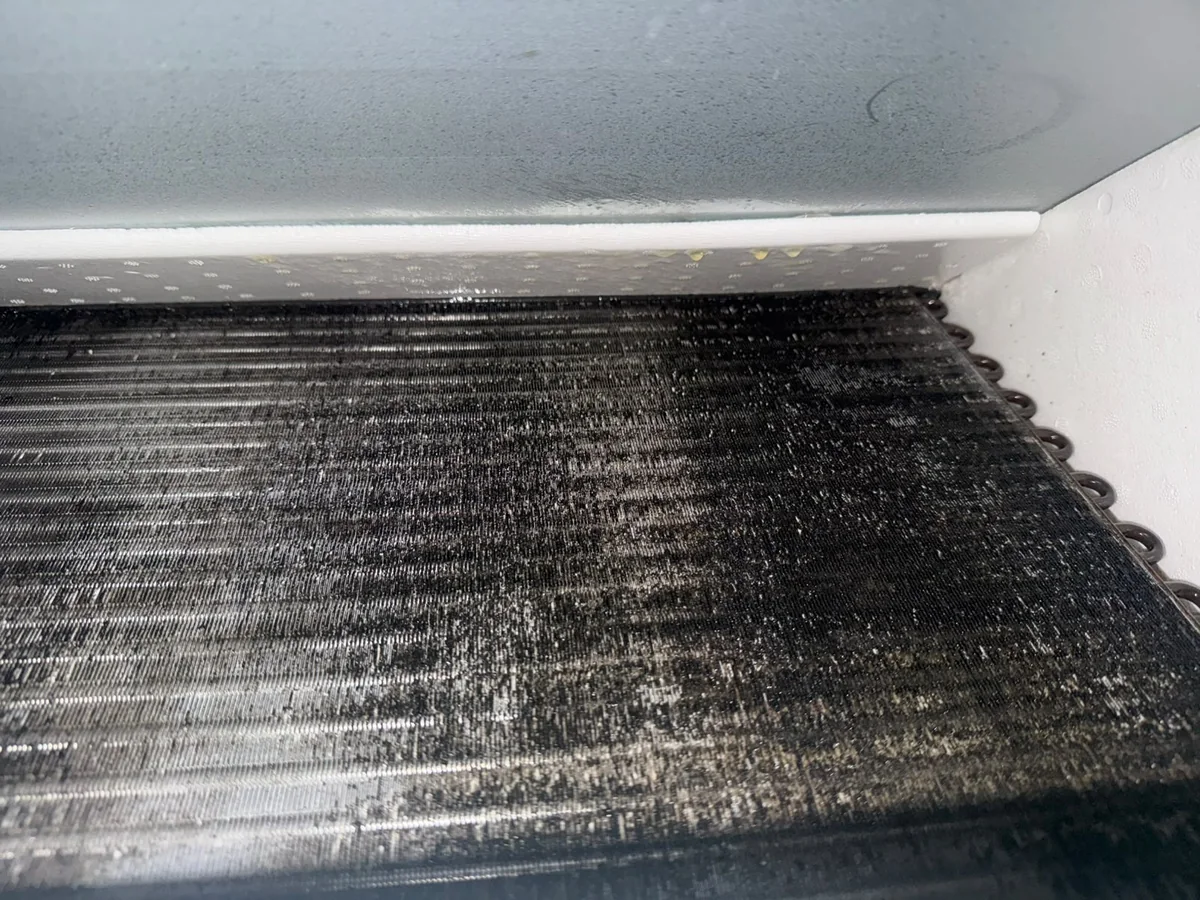
Dust on filters or grilles
Confirm the equipment type, removable components and surrounding protection so surface wiping is not mistaken for an internal cleaning scope. If the actual condition differs from the submitted information, update the scope, owner and date before deciding whether the affected work can continue.
Maintenance records support the need
Where previous records show a cleaning cycle or recurring dirt at the same location, provide them for the contractor to reconcile with the current condition. The record should be clear to someone who was not present and distinguish completed work, unavailable checks and separately arranged follow-up.
No clear safety abnormality
Proceed through the normal review and quotation process only where there is no tripping, smoke, burning smell or other condition requiring immediate shutdown. This gives the buyer a common basis for comparing proposals and documenting why a particular scope was approved.
When fault assessment should come first
Where symptoms involve electrical, cooling, drainage or control functions, cleaning alone cannot establish the cause or guarantee a remedy.
For Commercial Air-conditioning Cleaning or Repair: How to Decide, Where persistent or worsening leakage, tripping or abnormal smell, poor cooling or repeated shutdown are involved, control the immediate risk first, preserve visible information and pass the decision to an appropriate person. Keep this information in the same record so the quotation, site arrangements and completion review use consistent equipment names and locations.
In the record for Commercial Air-conditioning Cleaning or Repair: How to Decide, the escalation record should show the visible condition, immediate protective action and the person taking over so the site does not repeat an unconfirmed operation. The site representative can then check each location and record unresolved items before the work date instead of dealing with them at mobilisation.
Persistent or worsening leakage
Record where and when water appears and any impact on ceilings or stock. Do not dismantle drains or open concealed equipment. For several units or areas, separate the record by floor, zone or equipment type so one exception does not obscure the rest of the review.
Tripping or abnormal smell
Do not repeatedly reset the breaker or restart the system. Record the electrical location, affected equipment and controller information for a competent review. Keep the responsible person, confirmation date and next action together instead of leaving an important constraint across separate message threads.
Poor cooling or repeated shutdown
Report temperature complaints, affected zones, operating times and error codes together so the repair team can decide what testing is needed. Where the available information cannot support a conclusion, state the photograph, test or site confirmation still required rather than presenting an assumption as a result.
Prepare a concise fault record
A clear record is more useful than an assumed diagnosis. Site staff should describe what can be seen or heard and explain the operational impact.
When the site representative prepares for Commercial Air-conditioning Cleaning or Repair: How to Decide, Check when and where, controller and equipment information, safety action taken against an actual location, responsible person and record instead of leaving them as broad wording in a quotation or message. The record should be clear to someone who was not present and distinguish completed work, unavailable checks and separately arranged follow-up.
In the record for Commercial Air-conditioning Cleaning or Repair: How to Decide, after the check, keep missing information, its owner and the due date together; retain the date and supporting record for every confirmed point. This gives the buyer a common basis for comparing proposals and documenting why a particular scope was approved.
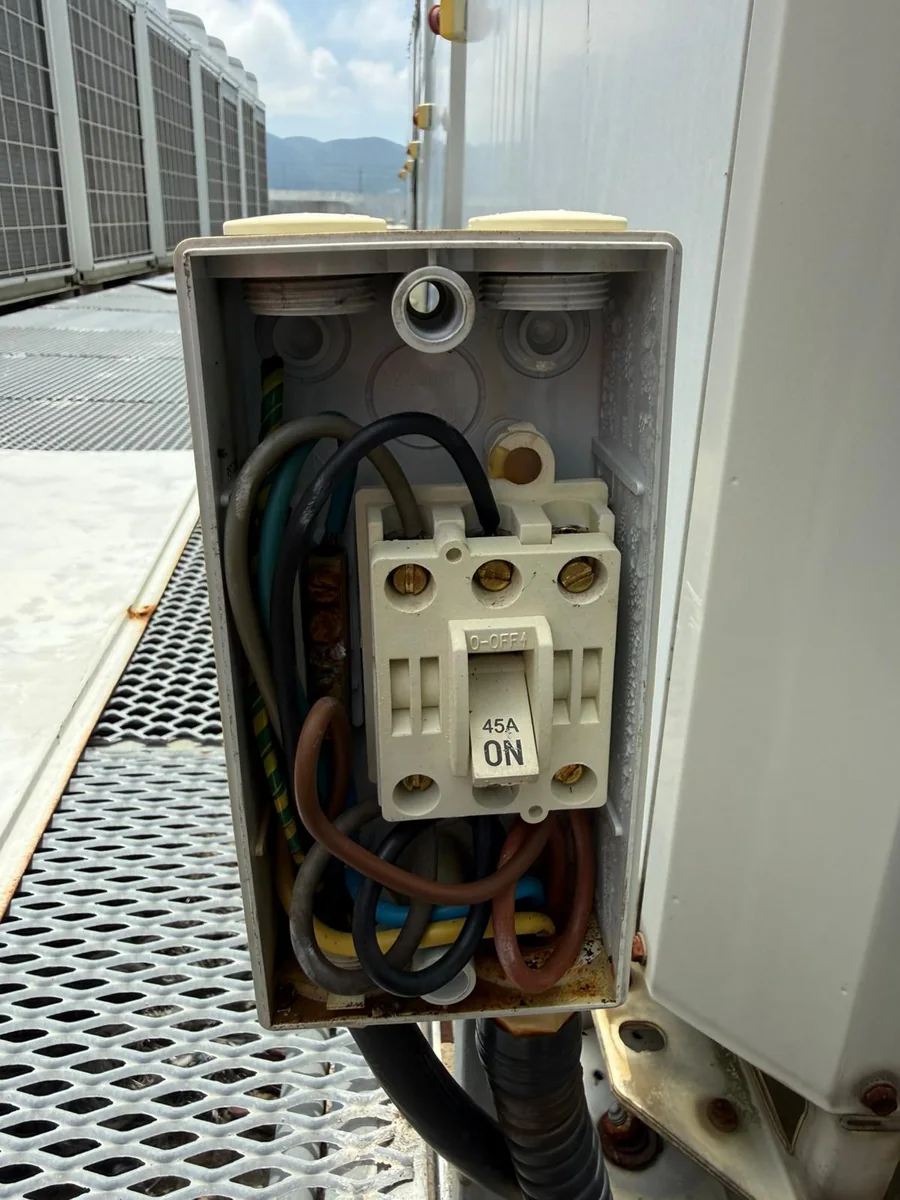
- 01
When and where
State when the issue was first noticed, whether it persists, the affected room or zone and whether other areas remain normal. Keep this information in the same record so the quotation, site arrangements and completion review use consistent equipment names and locations.
- 02
Controller and equipment information
Photograph the controller display, equipment label and surrounding area; there is no need to invent or guess an asset number. The site representative can then check each location and record unresolved items before the work date instead of dealing with them at mobilisation.
- 03
Safety action taken
Record whether the equipment was stopped, people or goods were moved, access was restricted and after-hours follow-up may be required. If the actual condition differs from the submitted information, update the scope, owner and date before deciding whether the affected work can continue.
Common questions and next steps
These answers help site representatives organise the available information and confirm the next action for Commercial Air-conditioning Cleaning or Repair: How to Decide. The actual response still depends on equipment condition, site constraints and the approved scope.
Before deciding the next action for Commercial Air-conditioning Cleaning or Repair: How to Decide, review the equipment list, current photographs, known symptoms, available work period, access constraints and any previous quotation or service record together. Mark the date, person confirming each item and anything still outstanding. Separate several units or premises by location. This gives the contractor and site team a common basis without treating unmeasured, uninspected or unapproved work as confirmed.
Does an odour always mean that cleaning is enough?
The decision depends on the equipment, site conditions and confirmed requirements. Obvious dirt on filters, grilles or accessible components may support a cleaning enquiry while other symptoms remain separately recorded. Where the available information cannot support a conclusion, state the photograph, test or site confirmation still required rather than presenting an assumption as a result. Obtain written confirmation where the decision affects safety, cost or shutdown arrangements.
Can poor cooling be handled by cleaning first and monitoring later?
It can be recorded or planned first, but the actual action depends on the confirmed scope. Weak airflow, prolonged poor cooling, repeated shutdowns or unstable operation should be recorded with timing, affected zones and controller indications. Keep this information in the same record so the quotation, site arrangements and completion review use consistent equipment names and locations. Obtain written confirmation where the decision affects safety, cost or shutdown arrangements.
May site staff open panels to investigate?
The decision depends on the equipment, site conditions and confirmed requirements. Obvious dirt on filters, grilles or accessible components may support a cleaning enquiry while other symptoms remain separately recorded. The site representative can then check each location and record unresolved items before the work date instead of dealing with them at mobilisation. Obtain written confirmation where the decision affects safety, cost or shutdown arrangements.
Prepare the site information for Commercial Air-conditioning Cleaning or Repair: How to Decide
Share the equipment locations, types, quantities, current photographs, operating constraints and available work period so Evolt Cool Engineering can understand the relevant site scope. Include the site contact, access arrangements and any known shutdown restriction so the next discussion can focus on the affected equipment and practical work requirements.