
Commercial AC maintenance and cleaning
Commercial AC Maintenance and Cleaning in Hong Kong
Evolt Cool Engineering provides AC maintenance, cleaning, installation, repair and replacement for shops, offices, industrial premises and other business sites in Hong Kong, together with related electrical and controls work. We confirm the scope around the site use, equipment type, quantity, condition, site arrangements and available work period; abnormal findings are recorded for separate follow-up.
This image is a general illustration of commercial AC servicing and does not show an Evolt Cool Engineering customer site or completed project.
Choose a service
What AC work
do you need?
Learn about the service closest to your current need. You can start with the site, equipment type, quantity, issue and available photographs; drawings or further model details can be added where available.
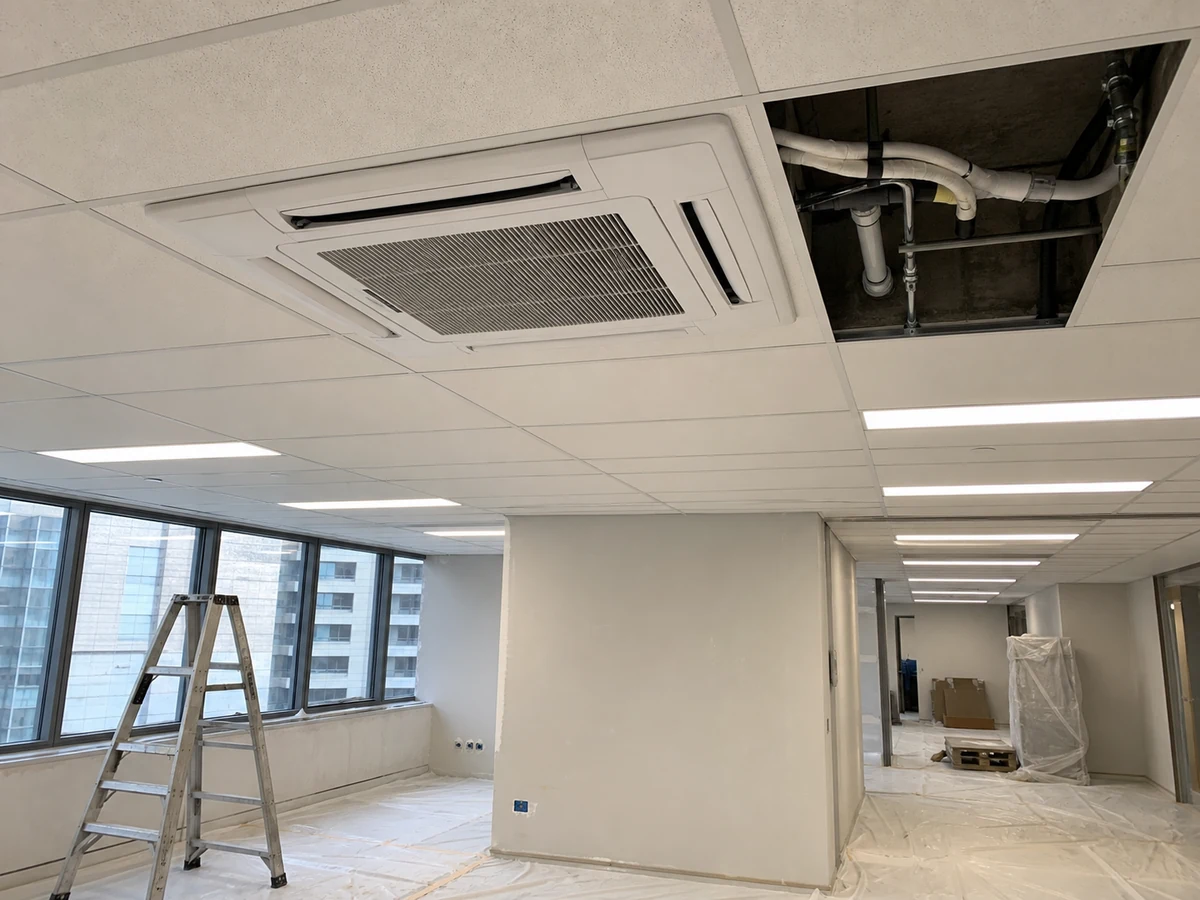
New installation or alteration
For a new shop, office fit-out, site expansion or change of use, the air-conditioning layout and related electrical or controls work can be planned around the actual space.
Explore installation services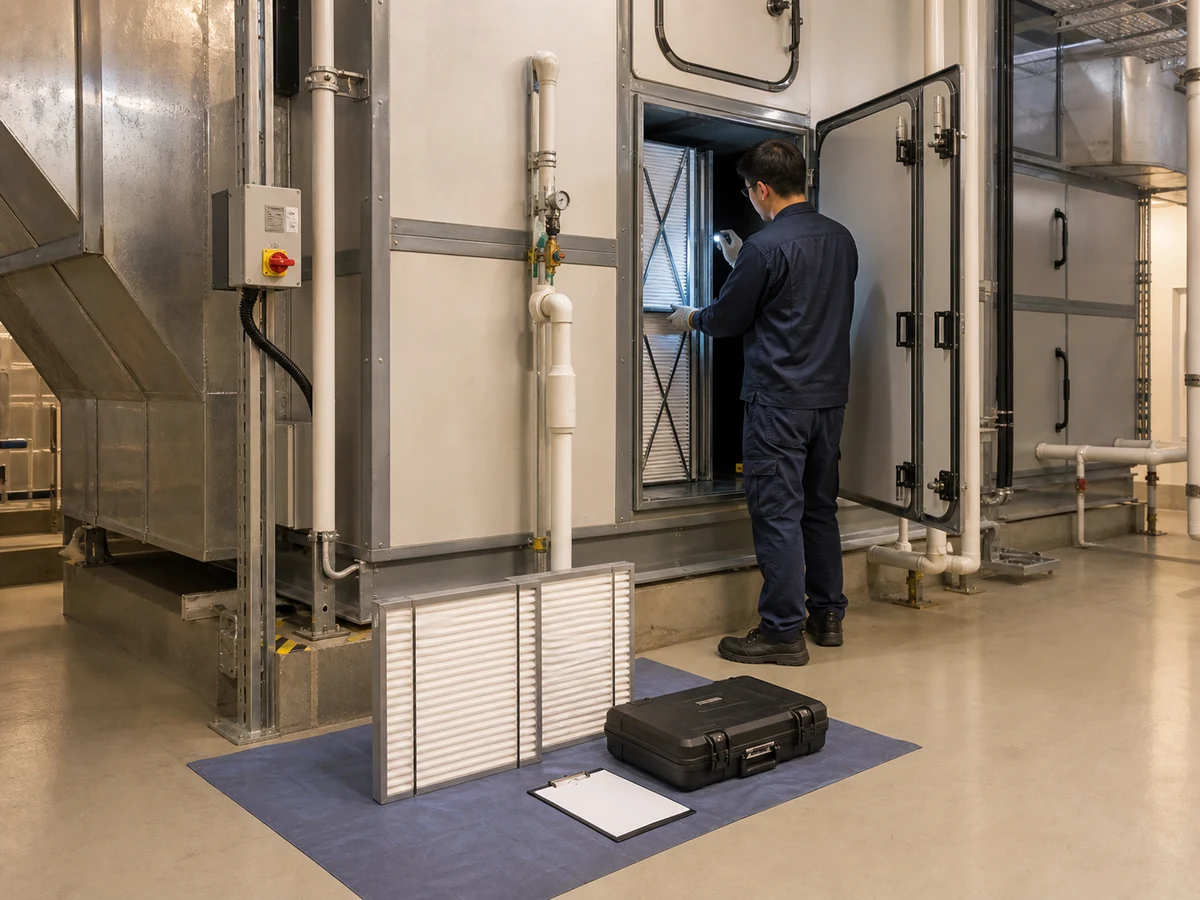
Commercial AC maintenance
A maintenance plan can set out the agreed tasks, attendance arrangements and service records based on the premises, equipment types, asset count and operating hours.
Explore maintenance arrangements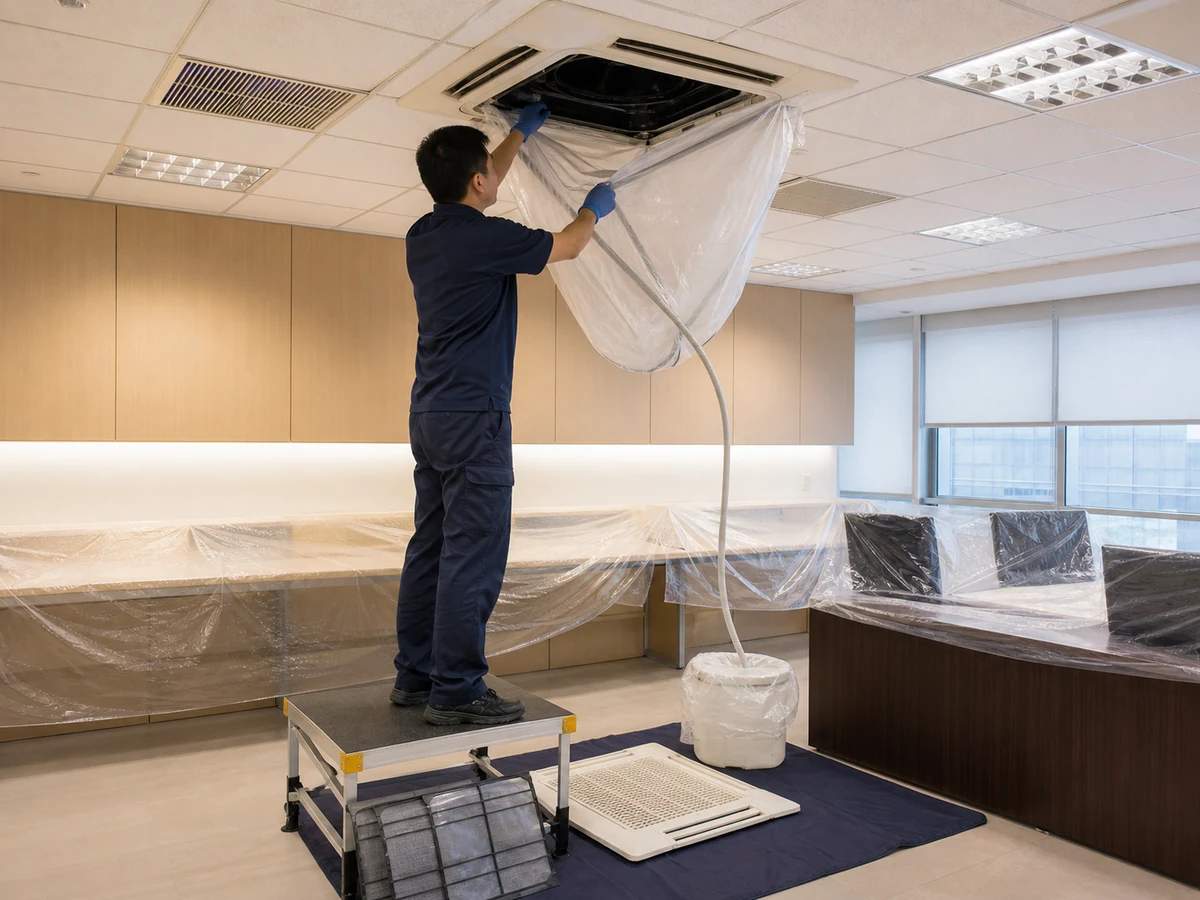
Commercial AC cleaning
Enquire about cleaning split, VRV or VRF indoor units, FCUs and other commercial equipment. Scope depends on the equipment, site conditions and available work period.
Explore cleaning services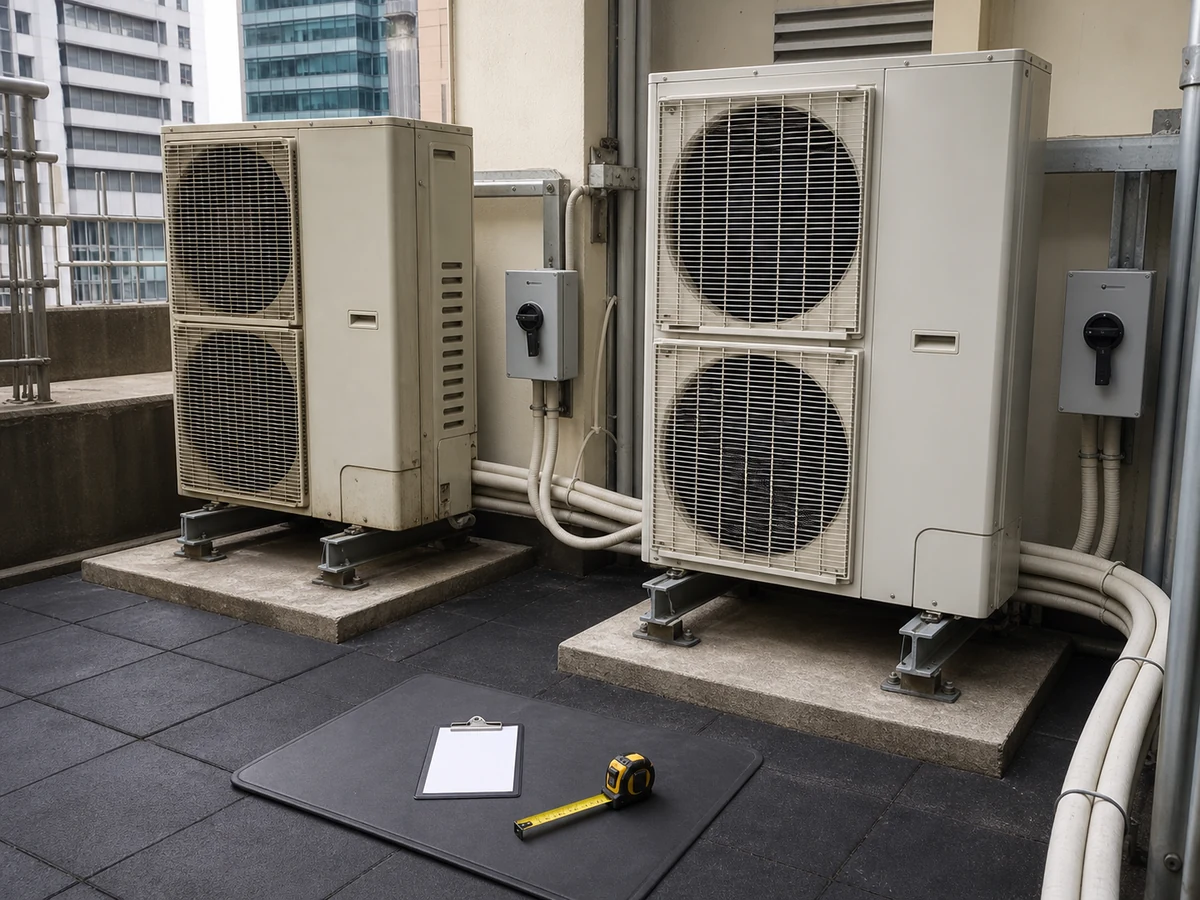
Replacement or system upgrade
When faults keep returning, parts are difficult to source or the premises are changing, review the existing equipment and site conditions before comparing options.
Explore upgrade options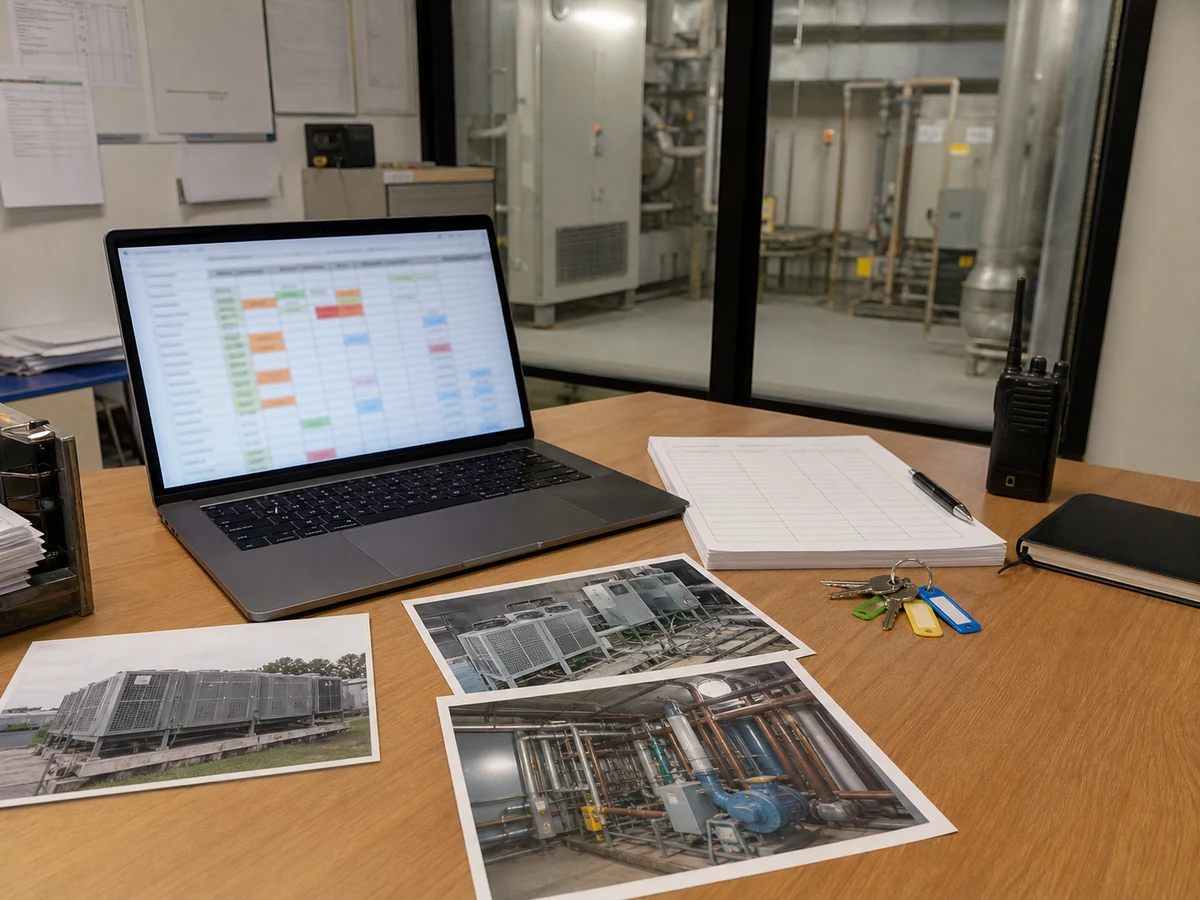
Multiple sites or branches
For several branches or properties, start by organising the equipment list, available work periods, priorities and reporting requirements.
Explore multi-site arrangements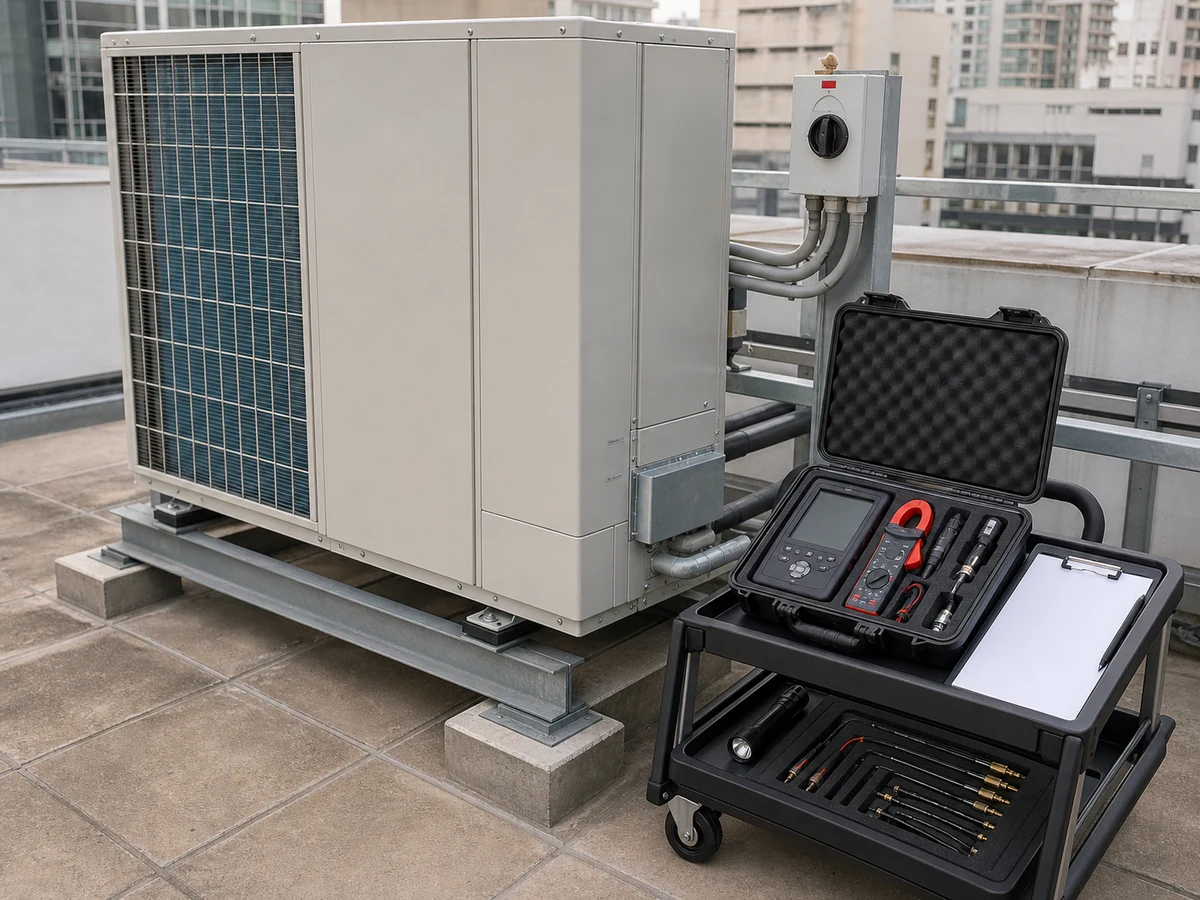
Fault inspection and repair
For insufficient cooling, leaks, unusual noise or smell, electrical trips or fault codes, share the symptoms, when they started and the area affected so an inspection can be arranged.
Explore repair servicesService images are general real-world illustrations and do not show an Evolt Cool Engineering customer site or completed project.
Who we are
Commercial AC and supporting works
for the site
Evolt Cool Engineering is a Hong Kong commercial air-conditioning, electrical and controls contractor serving business and industrial premises. Enquiries can begin with a new installation, maintenance, cleaning, repair, replacement or multi-site requirement.
The site use, equipment type, operating hours, access arrangements and shutdown limits all affect the scope. Existing drawings, equipment photos and service records help us understand the premises before deciding whether a site assessment is needed.
Commercial AC maintenance
Equipment type, quantity, site operations and existing service records shape the agreed maintenance tasks, attendance arrangements and follow-up items.
Commercial AC cleaning
We confirm the equipment type, location, quantity and available work period before defining accessible components, site protection and wash-water arrangements.
Inspection and follow-up
If maintenance or cleaning reveals an abnormal condition, we record it and explain the next step. Testing, parts and other works are confirmed separately where required.
AC cleaning
Identify the equipment before defining the cleaning scope
Window units, wall-mounted splits, ceiling units, FCUs, AHUs / PAUs and VRV / VRF systems have different service access and reachable components. Sorting the equipment by type first makes it easier to define site protection, isolation, wash-water arrangements and the quotation scope.
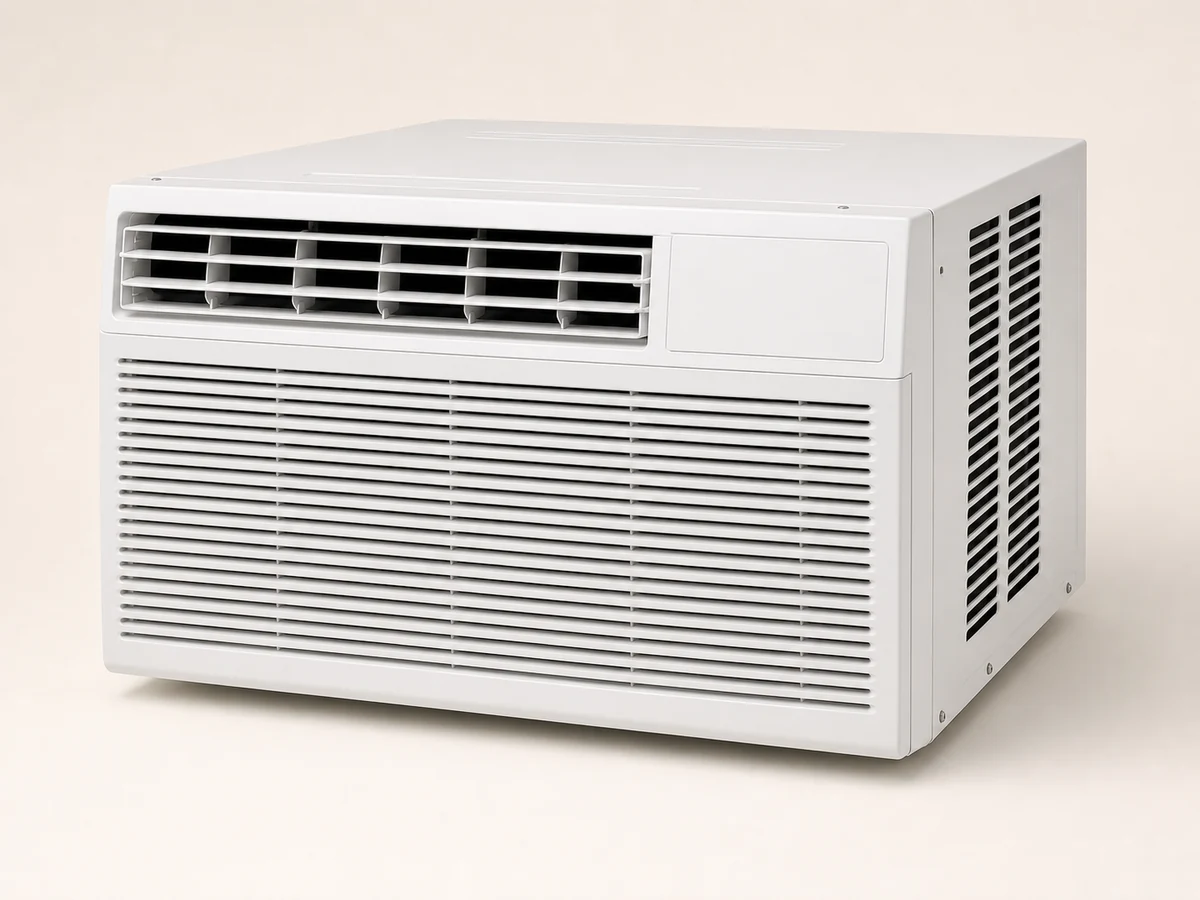
Window type
Describe the unit position, outside access, removal boundary, protection below and wash-water collection.
View window-type cleaning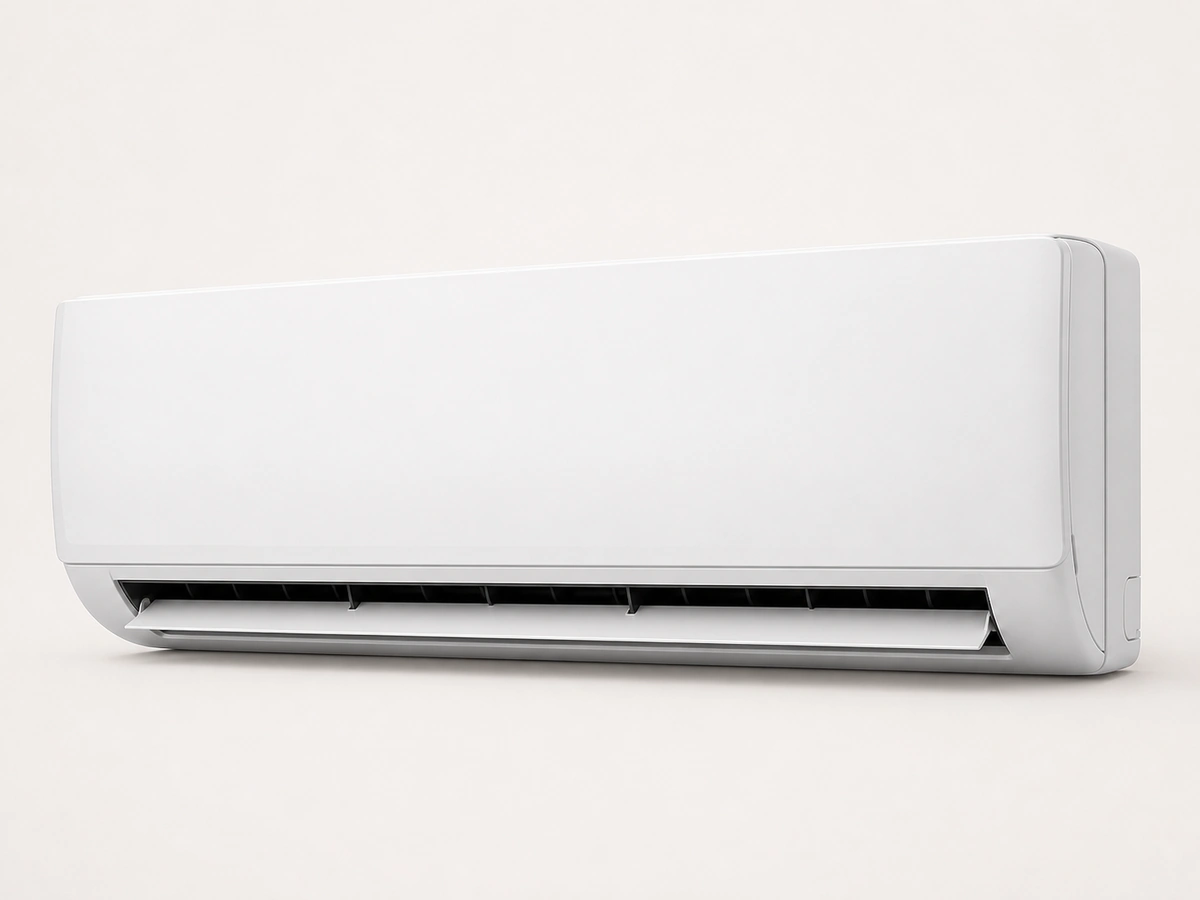
Wall-mounted split
Clarify the accessible indoor-unit components, wall and furniture protection, drainage, and whether the outdoor unit is separate.
View wall-mounted split cleaning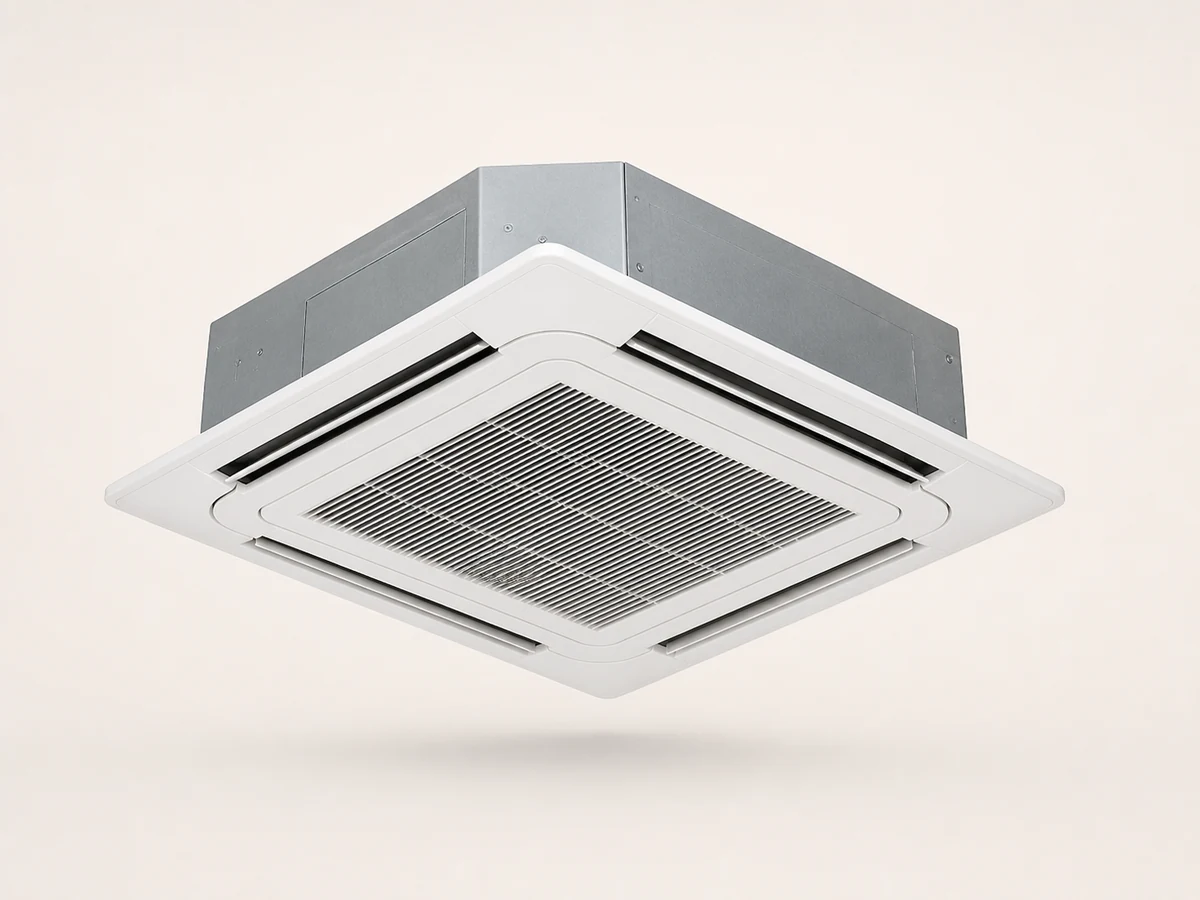
Ceiling cassette / four-way
Allow for high-level access, ceiling and floor protection, panels, vanes, fan wheel, drain pan and pump access.
View ceiling cassette cleaning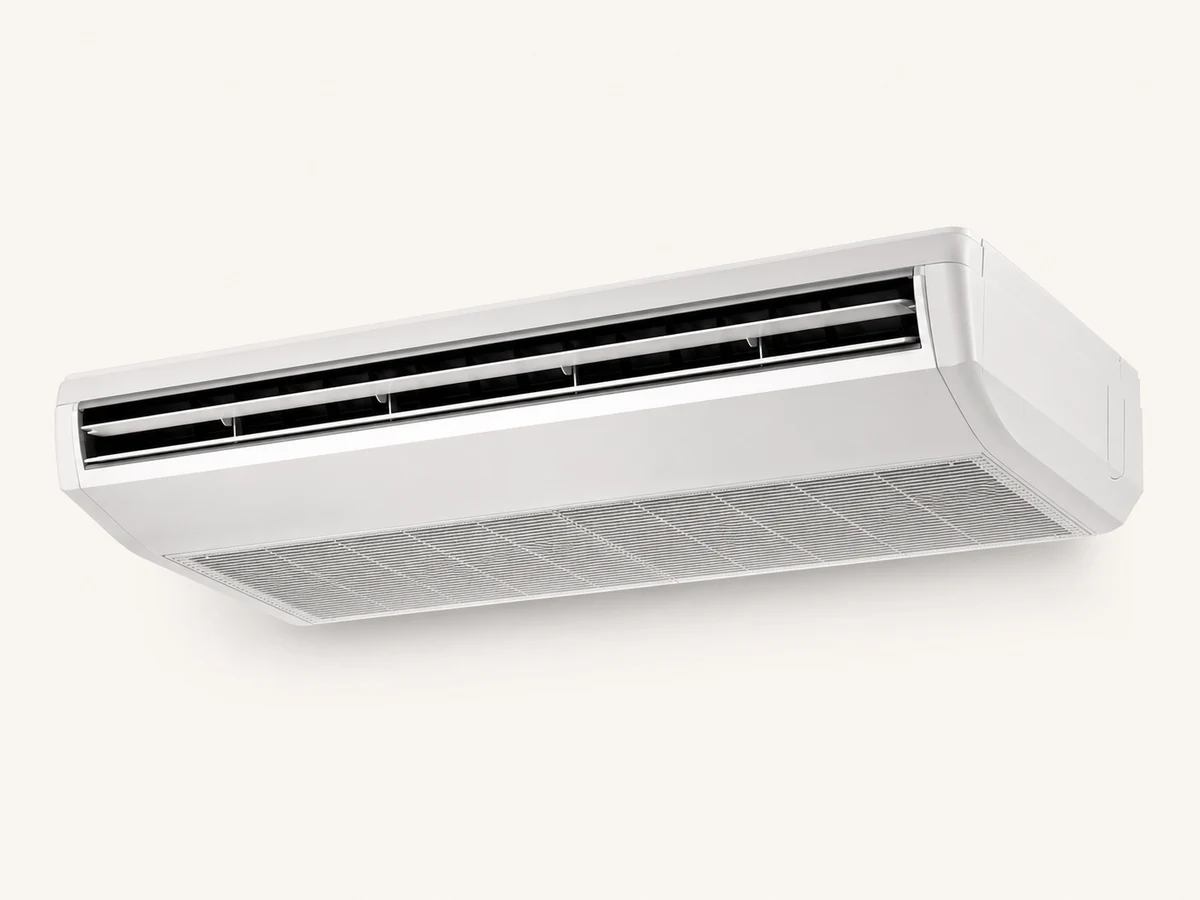
Ceiling-suspended
Define the installed height, casing and fan-wheel access, work platform, shutdown and area below.
View ceiling-suspended cleaning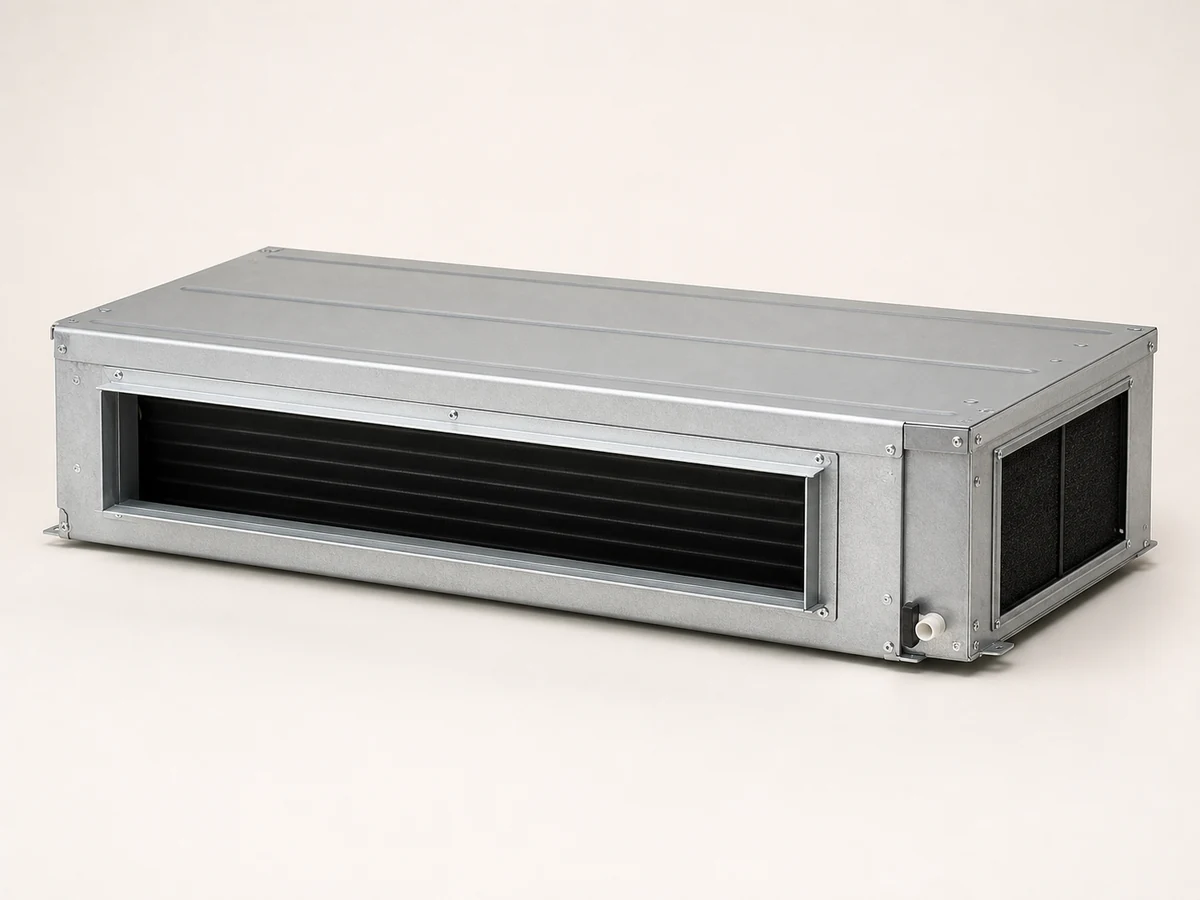
Concealed ducted split
Start with the access-panel size and position, reachable components, ceiling reinstatement, and the boundary between the unit and ductwork.
View concealed ducted cleaning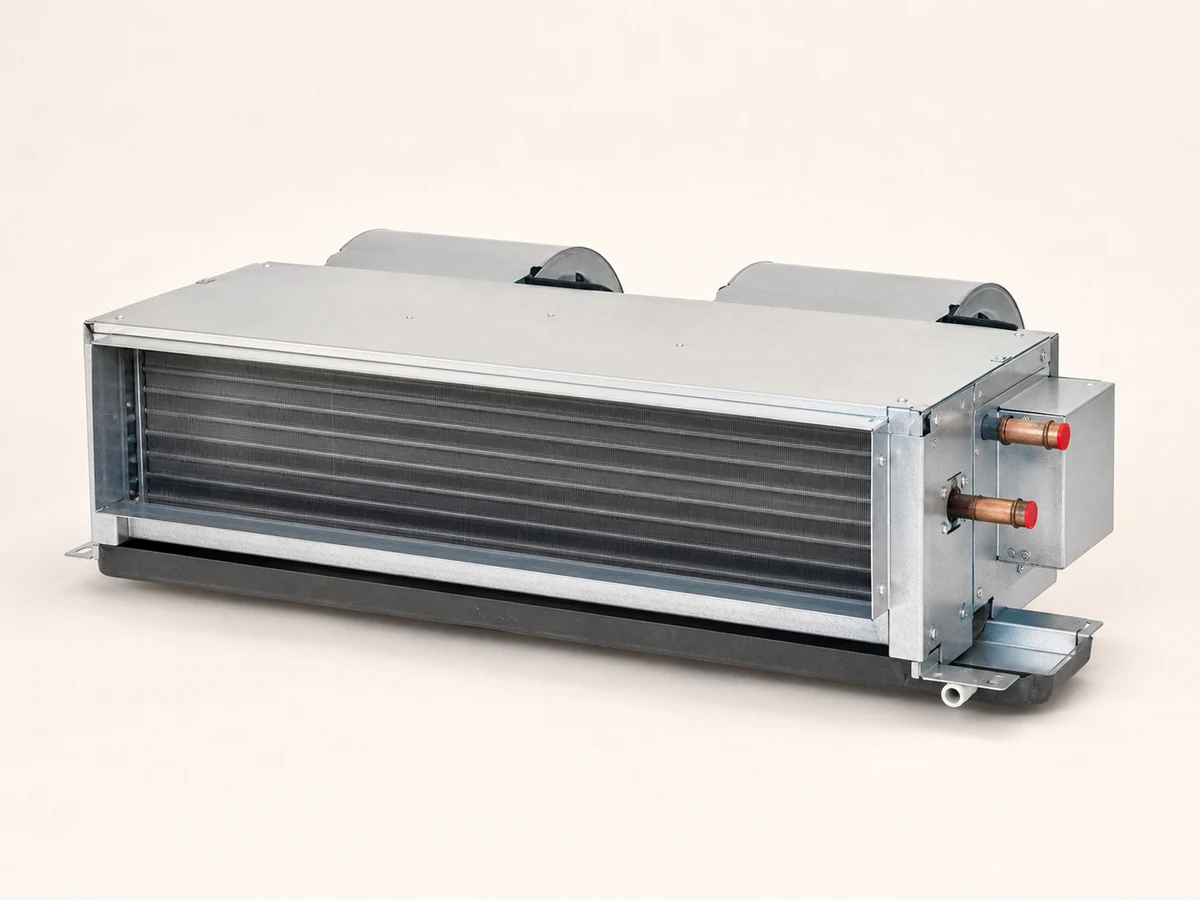
FCU / fan coil unit
Confirm ceiling access, isolation, filter, coil, fan and drain scope. Valves and water-side work need separate definition.
View FCU cleaning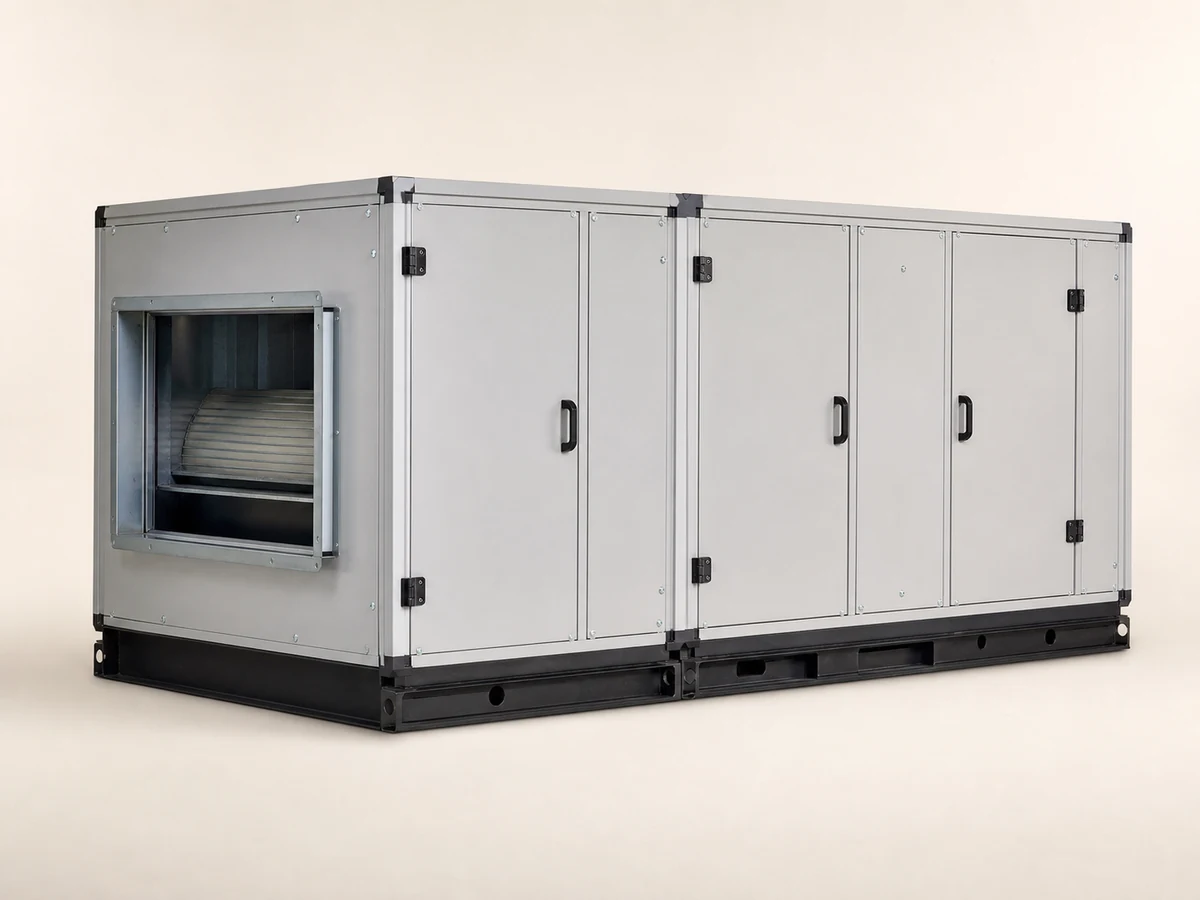
AHU / PAU
Assess the unit by section, plant-room access, isolation, containment, cleaning products and technical handover needs.
View AHU / PAU cleaning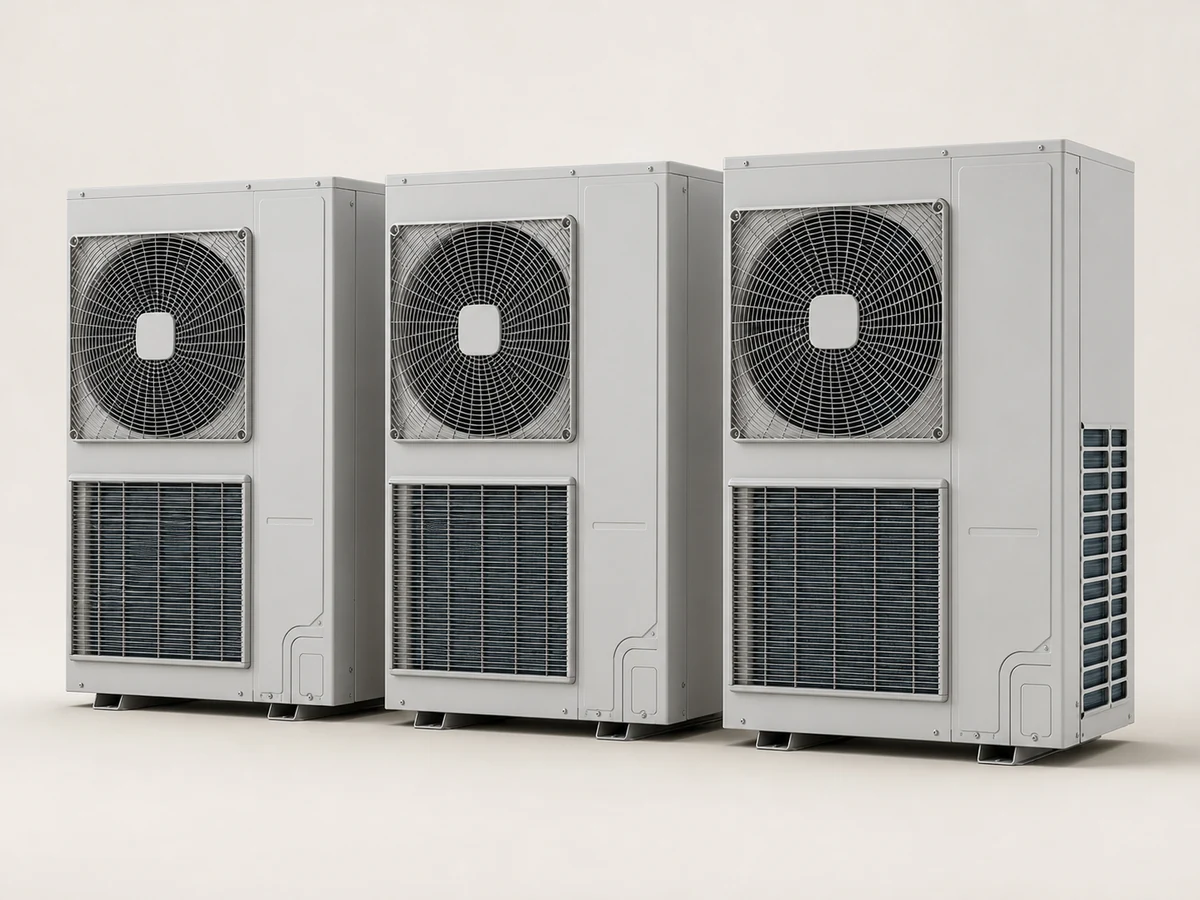
VRV / VRF multi-unit work
Organise equipment location, zones, controllers and shutdown sequences first. The physical indoor-unit type determines the cleaning method.
View VRV / VRF multi-unit cleaning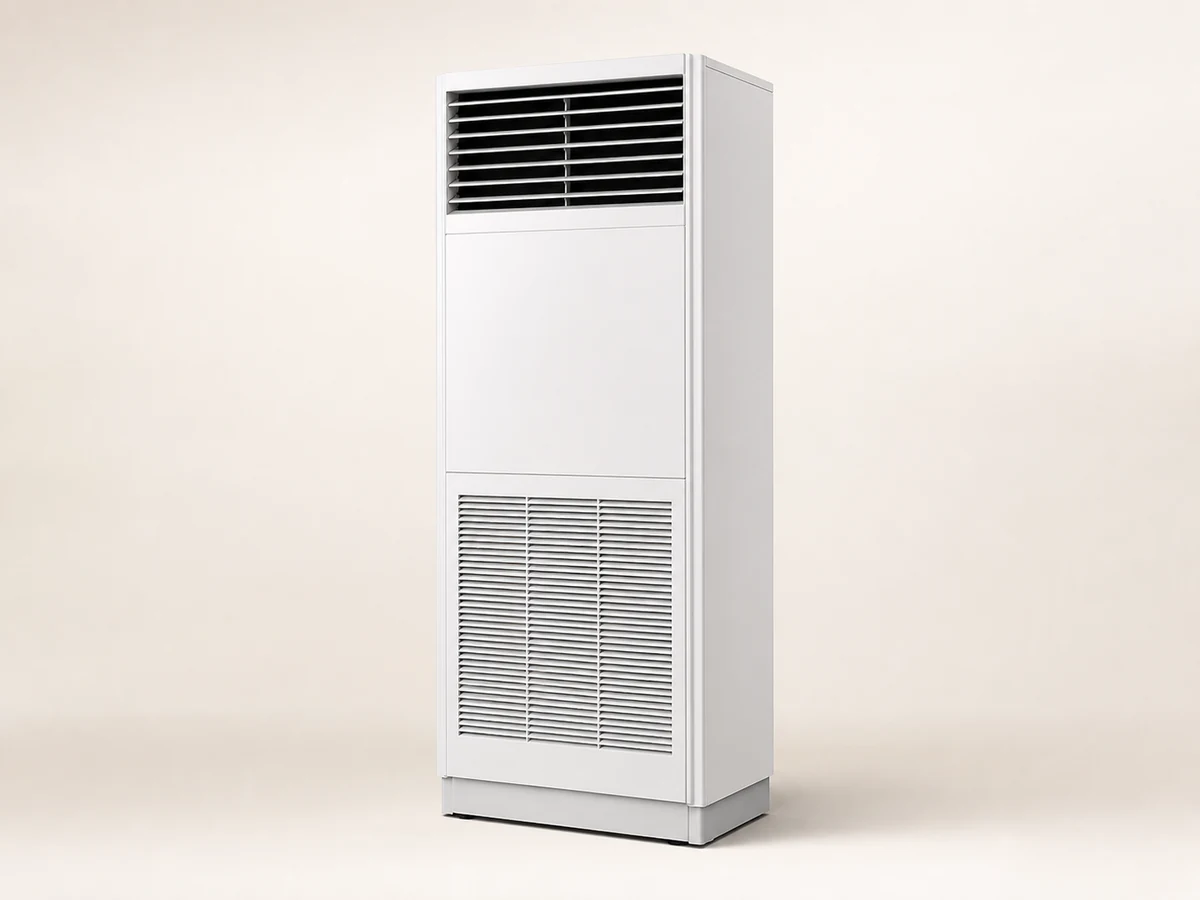
Floor-standing / cabinet
Confirm the equipment type, fixed or movable installation, dismantling boundary, nearby space and wash-water arrangement.
View floor-standing and cabinet cleaning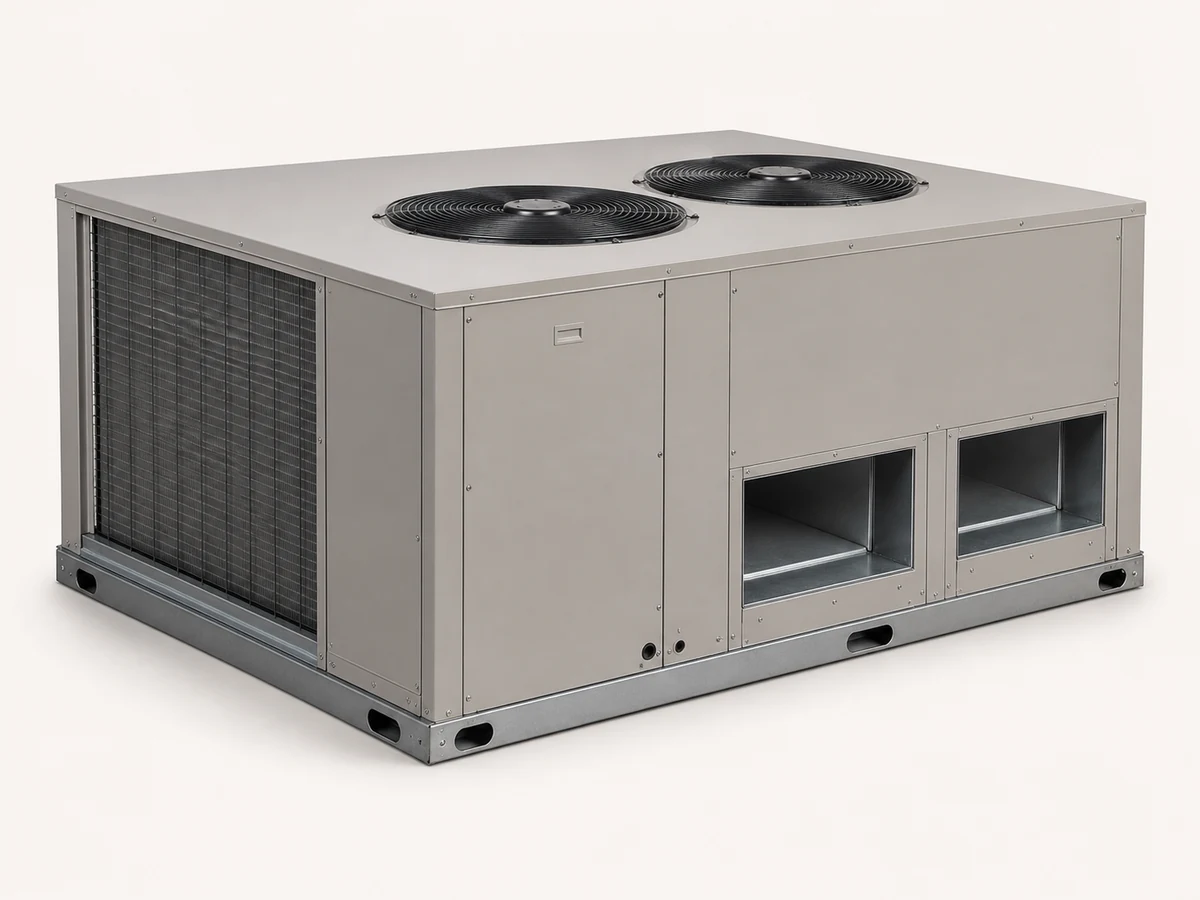
Packaged / rooftop unit
Roof access, weather, isolation and the integrated coil, fan, filter and drain scope require a separate technical assessment.
View packaged and rooftop cleaningAir-conditioning systems
Find the right option by system type
If the system type is unclear, send photos of the equipment label, controller and equipment. We can use those details to identify where the enquiry should begin.
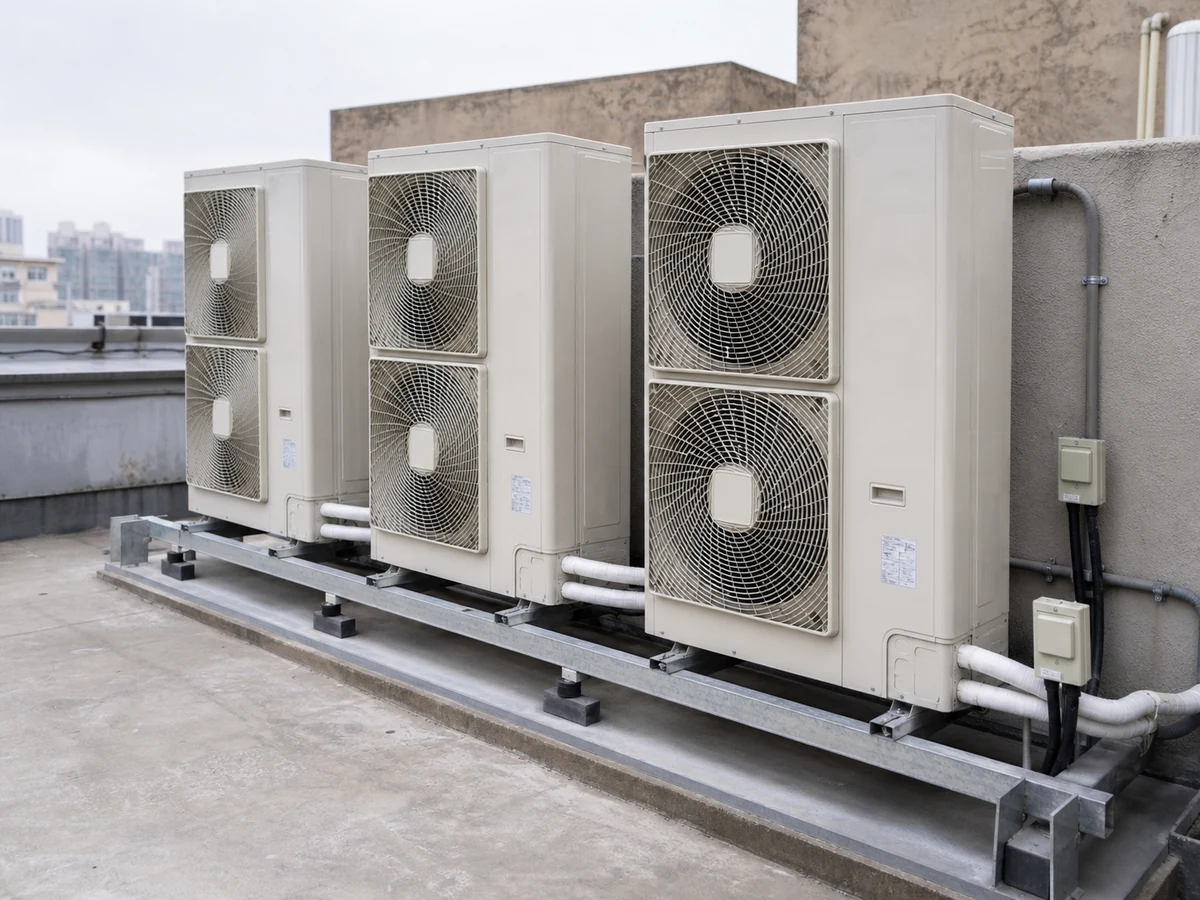
01
VRV / VRF
Provide the indoor, outdoor and controller models where possible, together with the affected area, zoning and unit count.
Explore VRV / VRF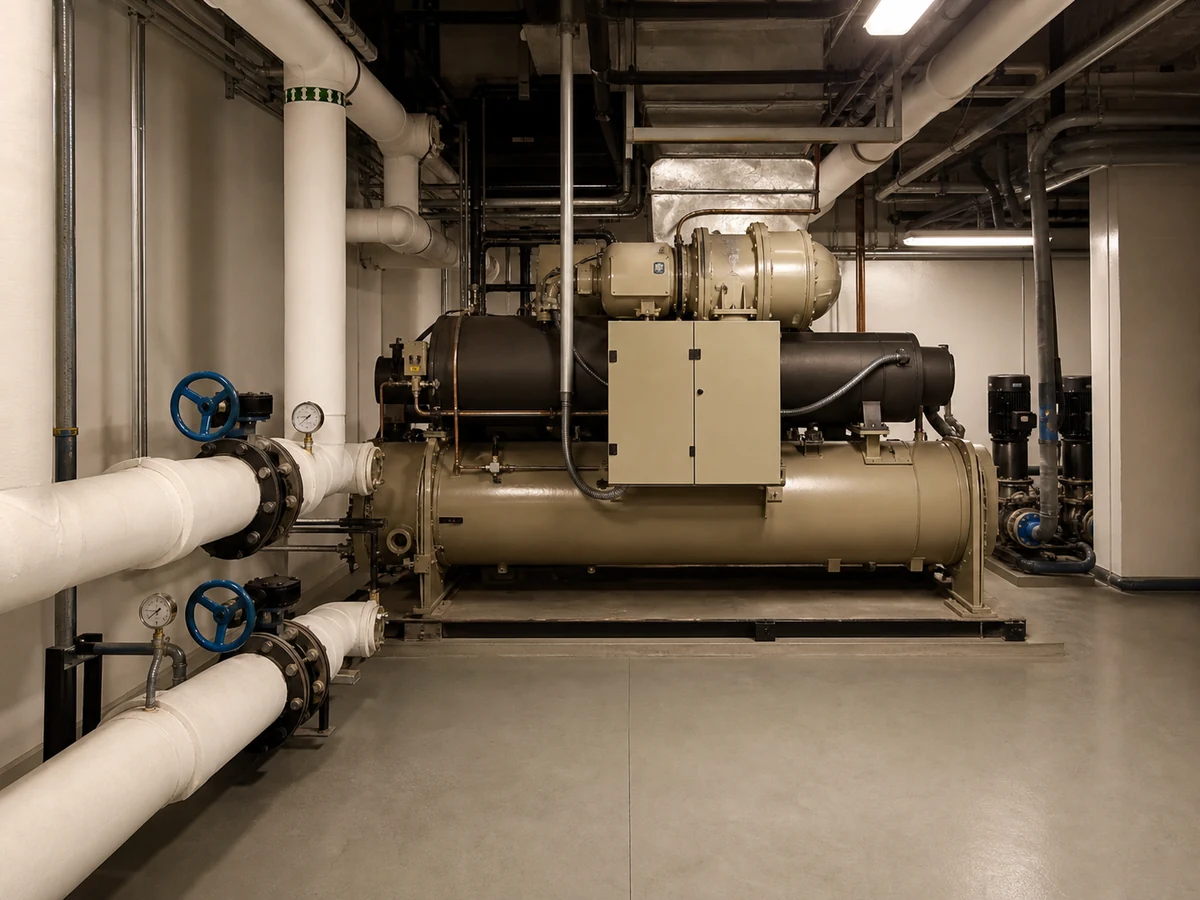
02
AC, central systems
and chillers
List the available information on chillers, pumps, cooling towers, controls and the permitted available work period.
Explore central systems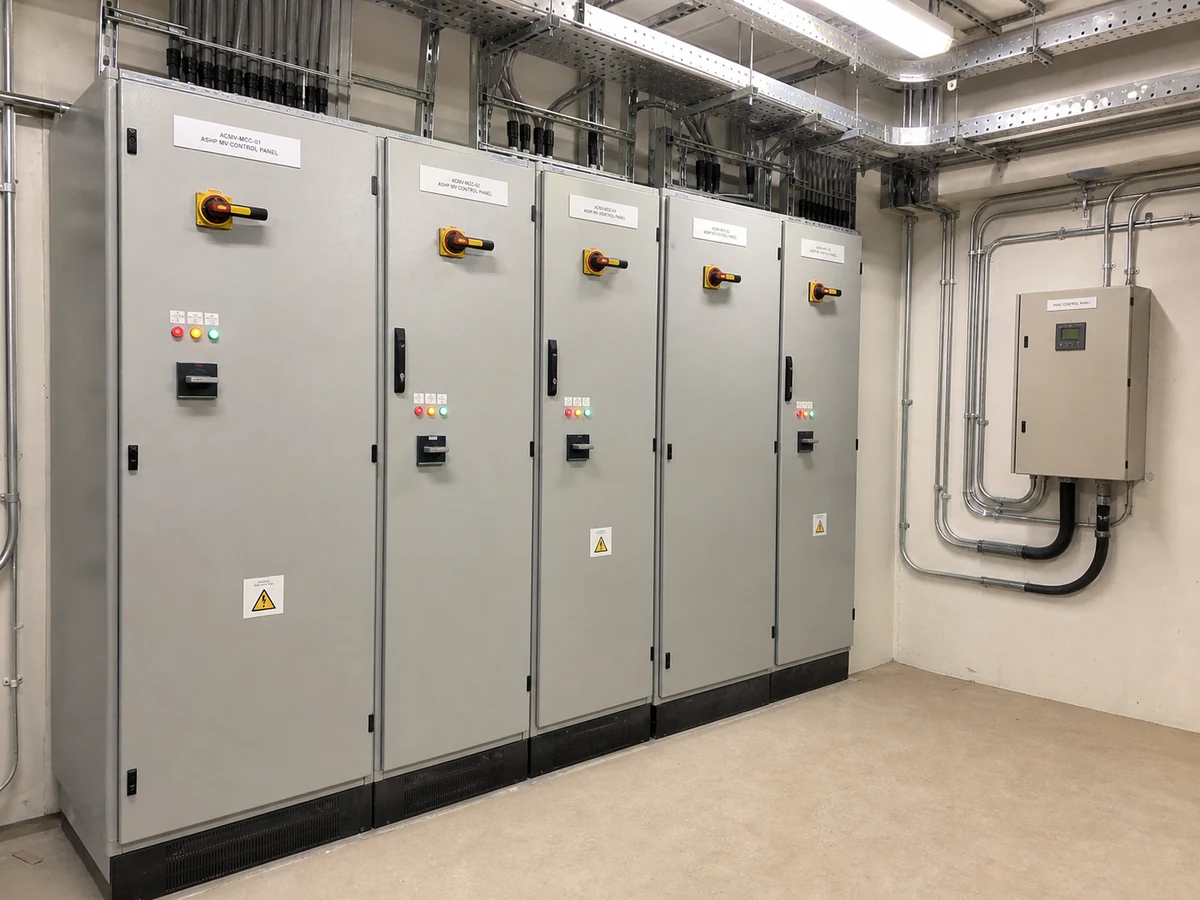
03
Electrical and HVAC supporting works
Where HVAC work involves power, distribution or controls interfaces, scope needs to reflect the equipment load, site electrical conditions and work boundaries.
Explore supporting works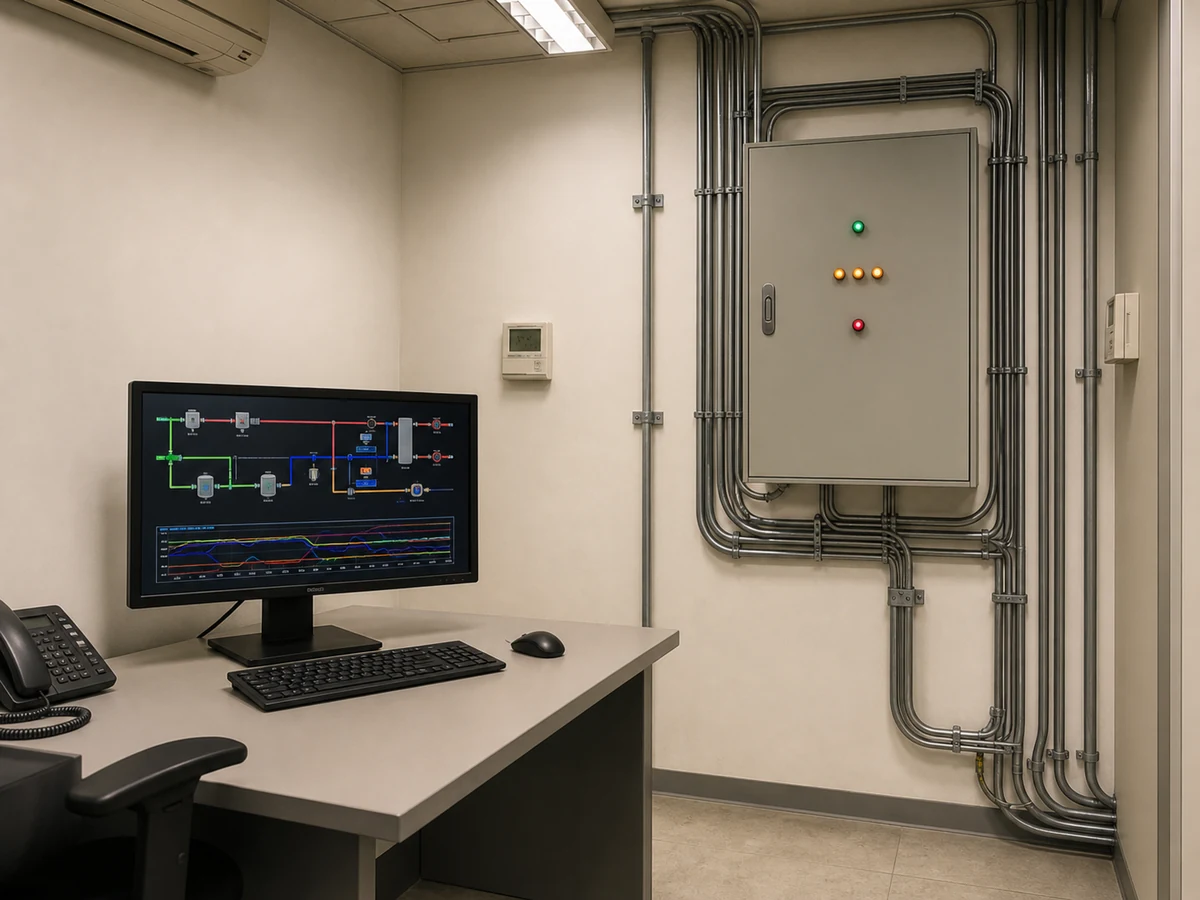
04
BMS building controls
Controller, sensor, schedule, trend and fault information can help define what needs attention at the controls level.
Explore BMS and controls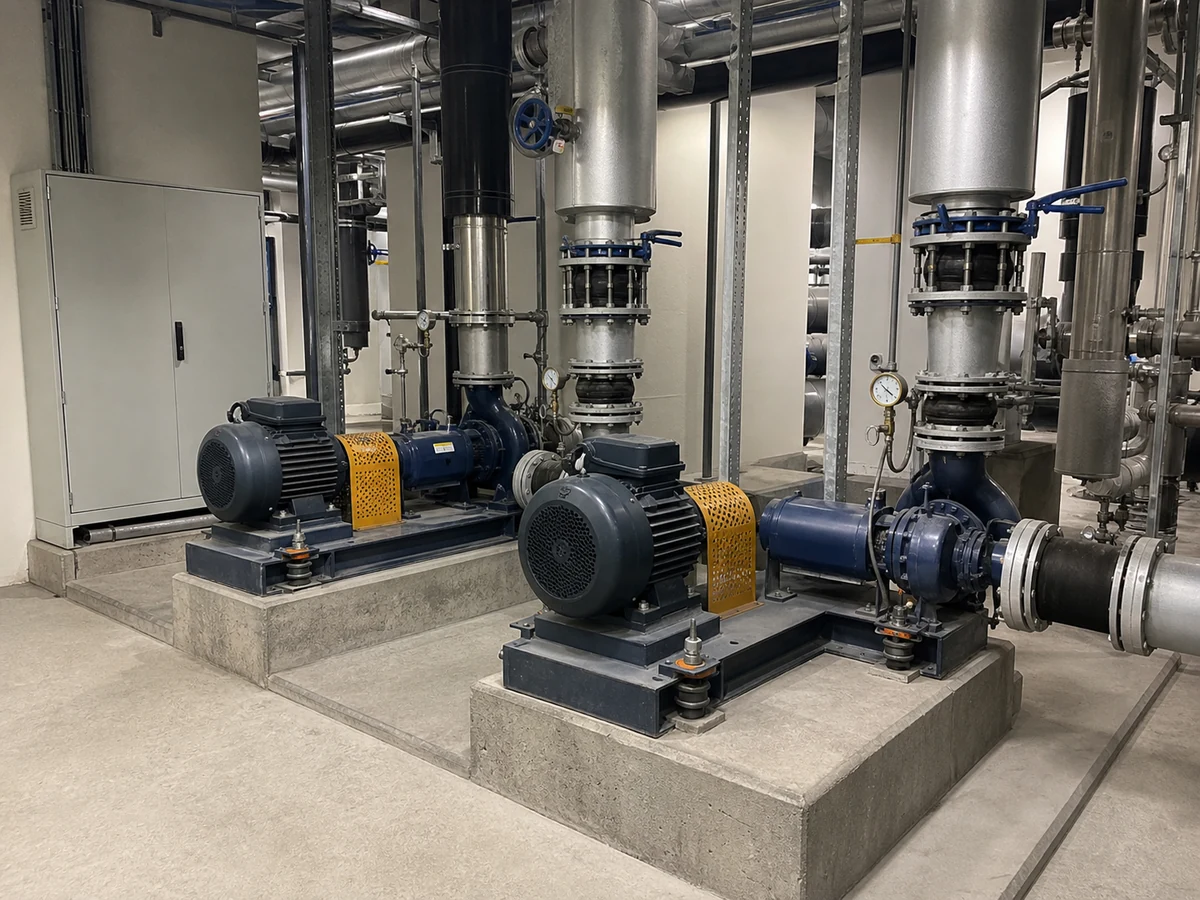
05
Pump control systems
For pumps, control panels or interlocks, provide the equipment data, available control logic and a safe available work period.
Explore controls and automation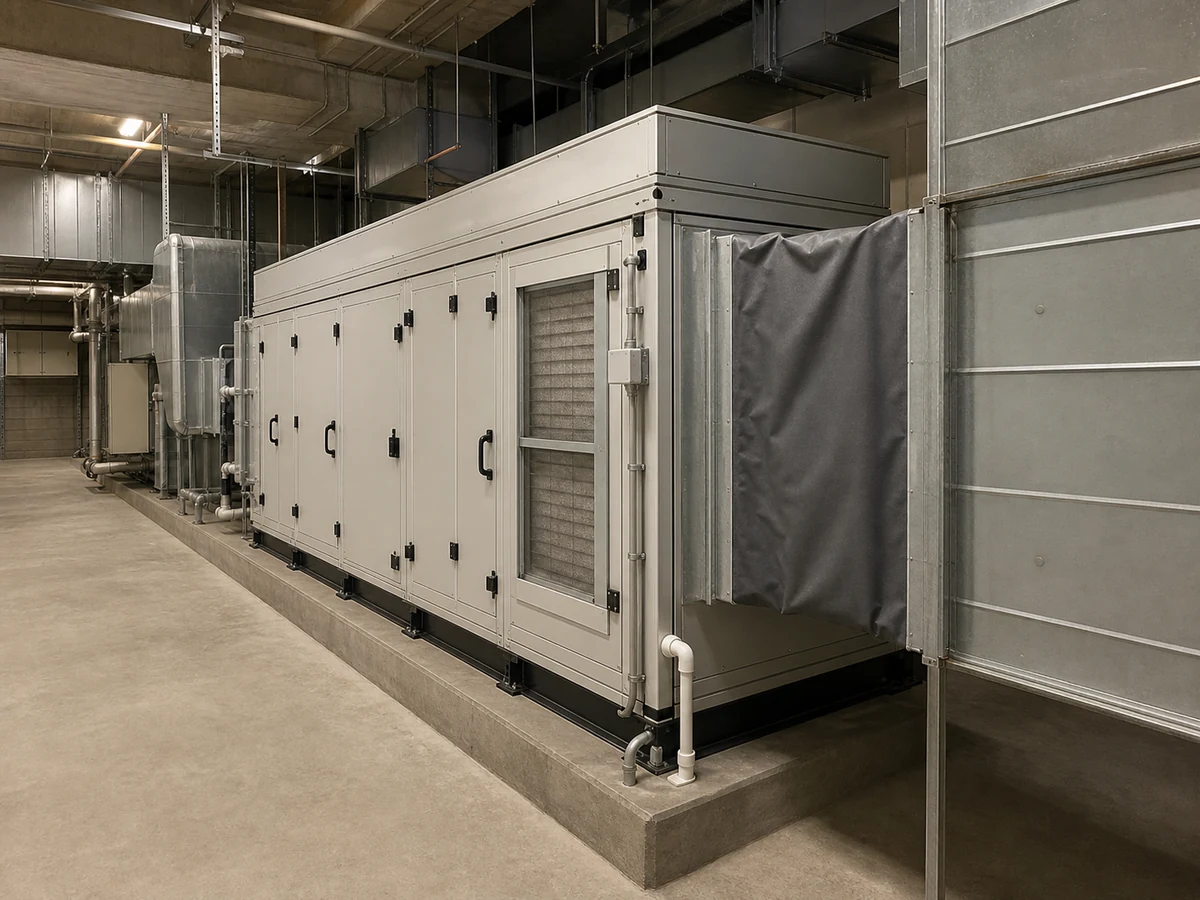
06
AHU / FCU and air-handler controls
Share the location, airflow or drainage issue, filter condition, controls information and whether the equipment can be reached safely.
Explore AHU / FCUImages are general equipment illustrations and do not show an Evolt Cool Engineering customer site or completed project.
View all systemsIndustries and premises
How the premises operate shapes the work plan
Opening hours, access rules, available work period, heat sources and day-to-day use vary by site. Explaining how the premises operate is often more useful than giving only the equipment name.
 Social-welfare organisations and NGOsService hours, user needs, approval documents and phased work arrangements
 Retail and multi-site operationsOpening hours, branch coordination, landlord rules and phased work
 Offices and commercial workplacesZoning, tenant arrangements, fit-out interfaces and after-hours work
 Restaurants and food-service premisesHeat sources, front and back-of-house zones, trading hours and shutdown arrangements
 Schools and educationTerm dates, occupancy, procurement documents and holiday works
 Industrial, warehouse and logisticsEquipment access, operating load, work-area risks and downtime impact
Images are general premises illustrations and do not show an Evolt Cool Engineering customer site or completed project.
Equipment brands
Support for widely used
AC brands
If your premises use one of these brands, send the full indoor, outdoor or chiller model, installed position, controller screen and photos. We will check the practical scope against the equipment type, condition, parts availability and work required.

Daikin
Founded in Japan in 1924, Daikin has a long focus on air-conditioning, with products spanning split units, VRV / VRF and central systems.

Mitsubishi Electric
Founded in Japan in 1921, Mitsubishi Electric works across electrical and building equipment, including split and commercial multi-unit air-conditioning.

Mitsubishi Heavy Industries
Mitsubishi Heavy Industries traces its origins to Japan in 1884. Its air-conditioning range includes split, packaged and VRF multi-unit systems.

Panasonic
Founded in Japan in 1918, Panasonic developed from electrical products into a broad equipment range that includes residential and commercial air-conditioning.

Hitachi
Founded in Japan in 1910, Hitachi operates across industrial and building equipment; its air-conditioning range includes split and commercial systems.

Toshiba
Toshiba’s Japanese business history dates to 1875. Its air-conditioning products include split, multi-unit and commercial systems.

Carrier
Established in the United States in 1915, Carrier has close ties to the development of modern air-conditioning and offers commercial units and chillers.
York
York traces its roots to the United States in 1874. Its equipment is commonly found in commercial and industrial central air-conditioning installations.

Trane
Established in the United States in 1913, Trane focuses on commercial air-conditioning, central systems, controls and related building equipment.

McQuay
McQuay began in the United States in 1933 and is now part of the Daikin group. Its name is mainly associated with commercial and central systems.

LG
Founded in South Korea in 1958, LG expanded from consumer electronics into air-conditioning and building equipment for residential and commercial use.

Samsung
Founded in South Korea in 1938, Samsung now offers split, commercial multi-unit air-conditioning and related controls.

Gree
Founded in Zhuhai, China, in 1991, Gree focuses on air-conditioning, including residential split units and a range of commercial equipment.

Midea
Founded in China in 1968, Midea developed from home appliances into HVAC, with residential and commercial air-conditioning systems.

General
General is an air-conditioning brand of Fujitsu General, which was founded in Japan in 1936. Its range includes residential and commercial systems.

Sharp
Founded in Japan in 1912, Sharp is known for electronics and appliances and also has residential and commercial air-conditioning models.
These brand names are shown only to help identify equipment. They do not state that Evolt Cool Engineering has been appointed as an agent or service provider, or authorised by the manufacturer. The available scope depends on the model, condition, parts availability and work required.
Frequently asked questions
Before you make an enquiry
Start with whatever information is already available. We will identify any further details needed for the premises and equipment.
Does every job need a site assessment first?
It depends on the work scope, available drawings, equipment details and site constraints. Some enquiries can be understood from documents and photos first. A site assessment can then be arranged if equipment locations, interfaces or work conditions need checking.
Can work be arranged outside normal office hours?
Yes. Work outside normal office hours can be arranged, but an additional charge applies. The timing and charge depend on the scope, labour, available work period, site rules and noise restrictions. They will be set out in the quotation and agreed before work is scheduled.
What should I prepare for a maintenance-plan enquiry?
Start with the site address, equipment count and types, existing service records, operating hours and the tasks you would like considered. The maintenance scope is then confirmed around the equipment and premises.
How can I start if the model details are unavailable?
Share the exact location, symptoms, start time, affected area and photos of the equipment exterior and equipment label taken from a safe position. Do not open a panel or approach electrical or refrigerant components.
For smell, weak airflow or dripping, do I need cleaning or repair?
These symptoms can relate to dirt, drainage, airflow, components or other faults. Share the equipment, timing and site condition first so the next step can be confirmed as cleaning, inspection or repair.
How do I check whether a brand or model can be handled?
Provide the full indoor, outdoor or main-unit model, equipment location, controller display and work required. We can then check the scope against the equipment information, condition, parts availability and type of work.
Need help with a project, maintenance or repair?
Tell us the site location, equipment condition and what needs attention. We will review the information and confirm the next step with you.