
Hong Kong commercial premises
Commercial Air-Conditioning Engineering
Planning air-conditioning work for an office, shop, commercial building, industrial premises or several sites? Share how the space is used, what is installed, what needs to change and when the premises operate. Evolt Cool Engineering will review the details, identify the next step and confirm whether a site survey is needed.
A new site, a fault, maintenance, replacement, cleaning or an undecided requirement.
Trading hours, affected areas, access, shutdowns and other contractors.
Included work, separately assessed items, responsibilities, timing, testing and handover information.
What needs attention now?
Commercial air-conditioning work can involve very different scopes. Choose the closest match below. If you are unsure, share the premises, equipment and objective and we will help you decide where to start.
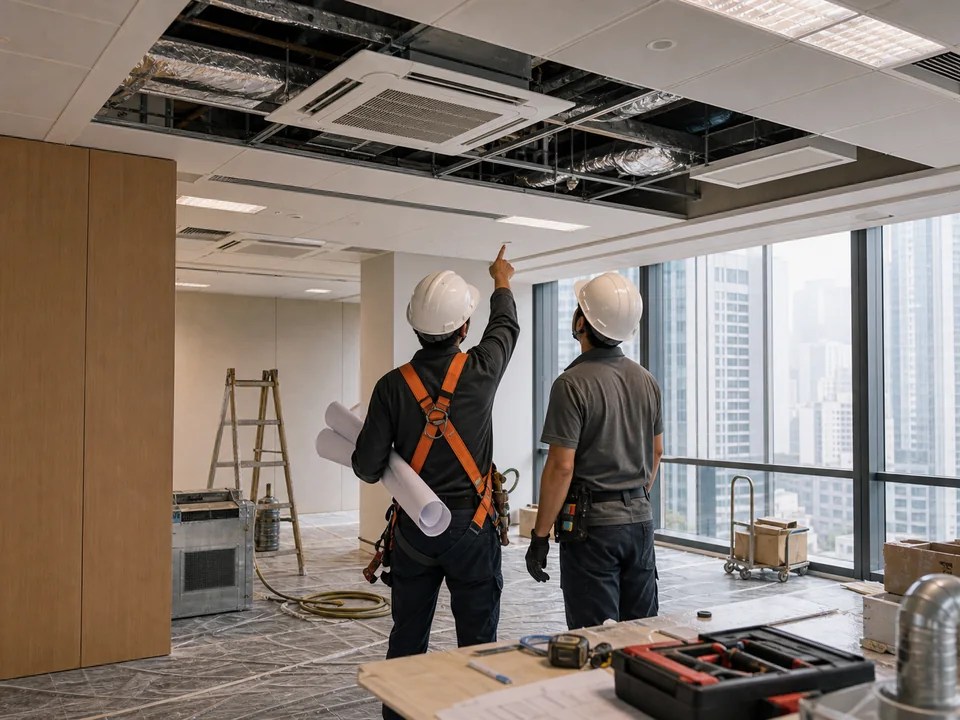
New premises, a fit-out or added capacity
For a new shop or office, refurbishment, expansion, layout change or additional equipment.
Explore commercial AC installation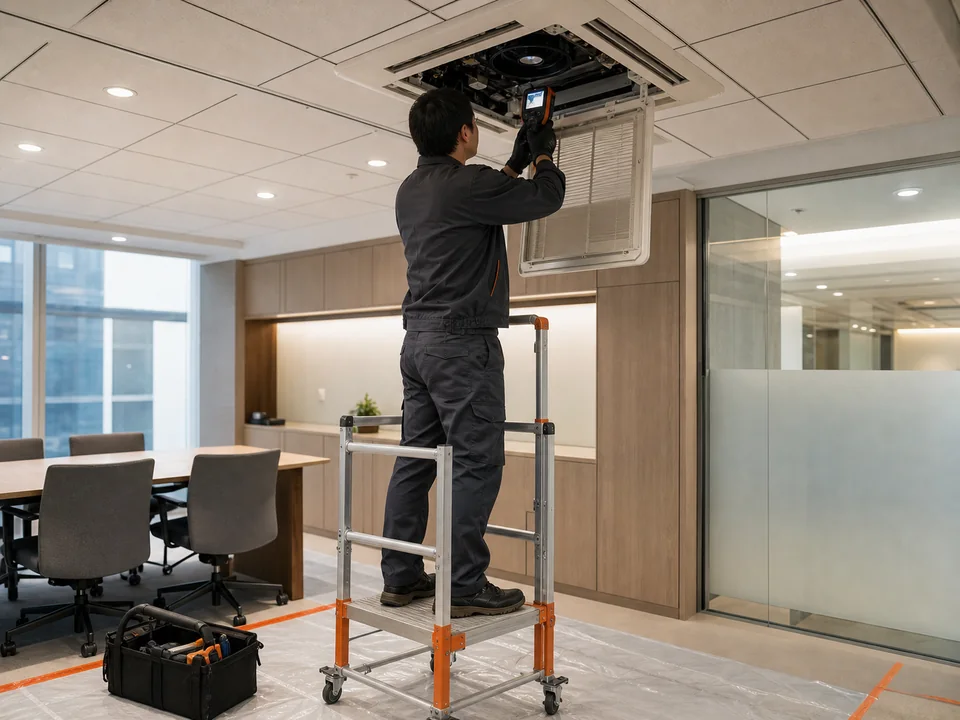
A fault or declining performance
If cooling is inadequate, water is leaking, noise is unusual, a unit has stopped or only some areas are affected, start with the facts you can observe safely.
See what to provide for a repair enquiry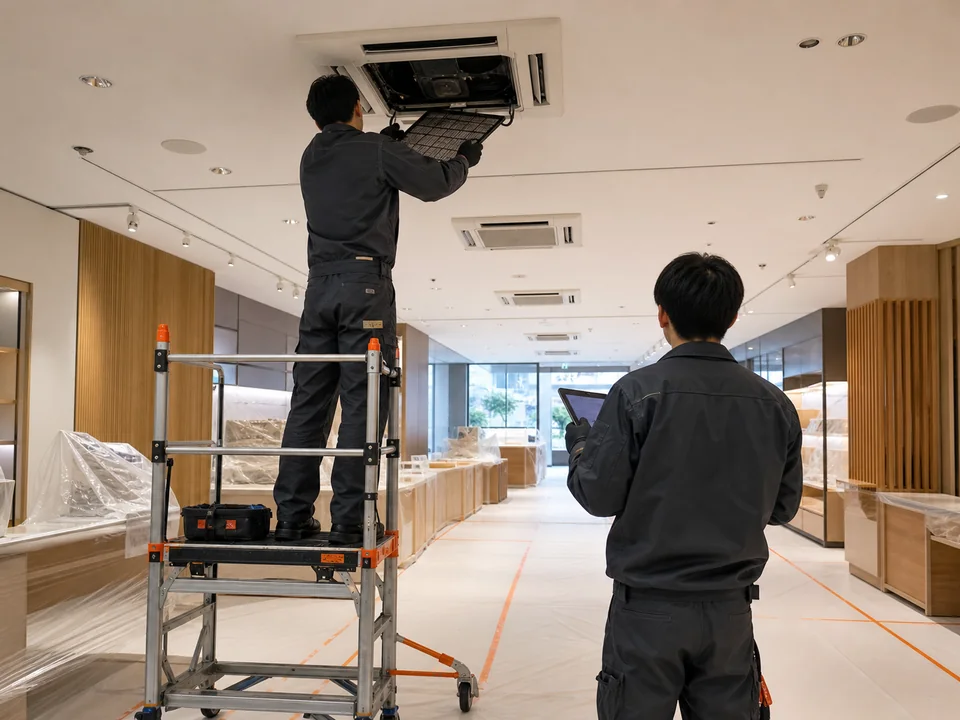
Evolt Care commercial AC maintenance
Configure planned visits, emergency calls, selected service allowances and optional specified component cleaning around the equipment, quantity and site requirements.
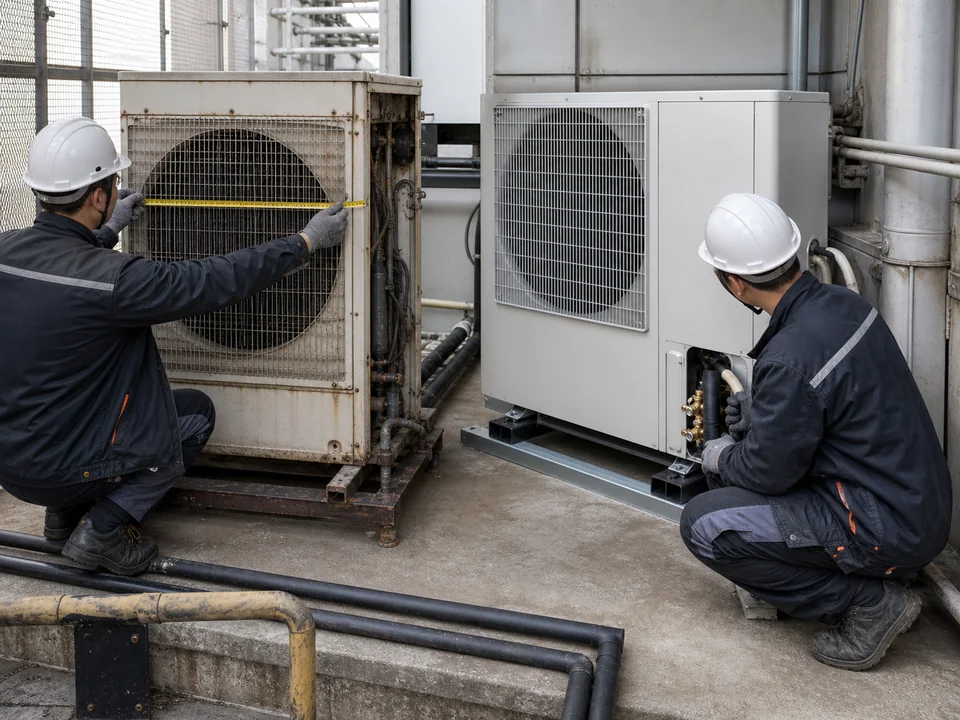
Replacement, extra capacity or an upgrade
For ageing equipment, a change of use, recurring faults or a phased system update.
Compare replacement and upgrade options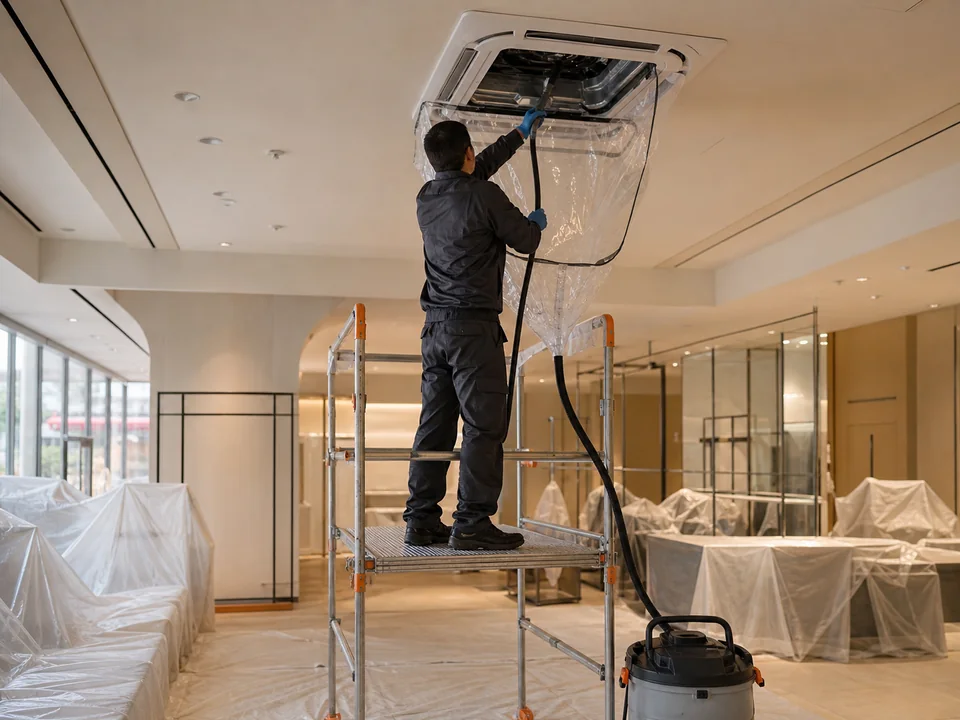
Air-conditioning cleaning
Choose by equipment type and confirm cleanable components, access, isolation, wash-water handling and handover requirements.
Learn about commercial AC cleaning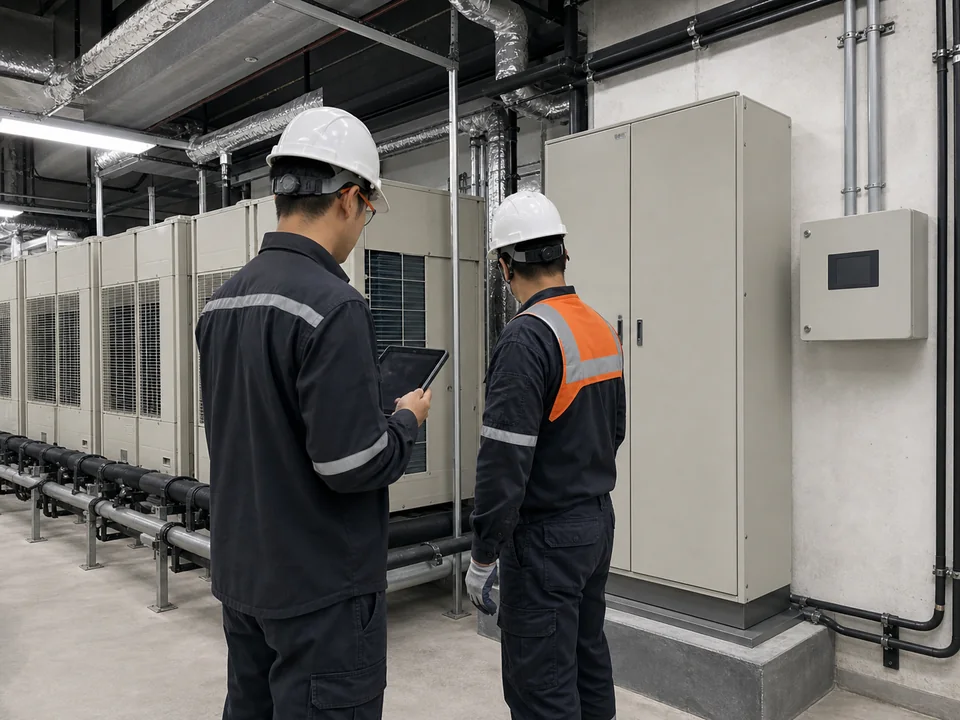
Electrical interfaces, several sites or system work
Power, controls, several branches, VRV/VRF and central systems need their interfaces and responsibilities defined separately.
Images illustrate different service situations. The actual scope, equipment and arrangements depend on site information and the agreed quotation.
You can start even if the records are incomplete
Drawings, equipment schedules and service records make the discussion more precise. If they are not available, send clear photographs, equipment label and the affected locations first, then confirm whether a site visit is needed.
A new lease, refurbishment, expansion, altered layout, or a change in occupancy or trading hours.
Several rooms, floors, zones or controllers are affected and the system relationship needs to be understood.
Problems are recurring, but condition, budget, downtime and the scope of work still need to be compared.
Power, drainage, ceilings, supports, fire controls, lifting access, building rules or other contractors.
Make each stage clear before the work moves forward
This is a typical discussion sequence. The actual steps, programme, tests and documents depend on the premises and the scope confirmed in the quotation.
- 01
Share the essentials
Premises, use, existing equipment, the problem or objective, preferred timing and contact person.
- 02
Confirm the type of work
Separate installation, repair, maintenance, replacement, cleaning, electrical support and a formal Tender or RFQ.
- 03
Survey the site when needed
Review equipment, location, access, shutdowns, other work interfaces and operating constraints.
- 04
Check scope and responsibilities
Confirm inclusions, items requiring separate assessment, assumptions, responsibilities, available work period, change control and handover requirements.
- 05
Deliver, test and hand over
If the work proceeds, it follows the agreed scope. Applicable testing, commissioning and handover information should be stated in the quotation.

The available work period is only one part of the plan
Commercial premises can also need to account for trading hours, affected zones, security and access, lifts or loading, noise, shutdowns, protection and reinstatement. Raising these points early makes the assumptions and responsibilities in the proposal clearer.
Work outside normal business hours can be discussed
Evening, Sunday or public-holiday feasibility depends on the work itself, building rules, equipment used, nearby occupants, required approvals and the formal quotation. Give a preferred and a fallback work period where possible.
These details make the first discussion more useful
You do not need every document before making an enquiry. Share what is available and identify what is unknown; items to confirm can be checked during the initial review or survey.
- Premises and useDistrict, floor, premises type, operating hours and affected areas.
- Existing equipmentEquipment type, quantity, equipment label, controllers, schedules or clear photographs.
- What needs attentionThe objective of planned work, or factual symptoms, when they started and whether the system still runs.
- Drawings and recordsLayouts, AC drawings, service records, test information or earlier quotations, if available.
- Access and shutdownsCeilings, plant rooms, roofs, façades, loading, security, work permits and available shutdown periods.
- Other work interfacesPower, controls, drainage, ceiling reinstatement, supports, fire systems and other contractors.
- Procurement and timingTarget date, quotation deadline, internal approval and whether this is a formal Tender or RFQ.
- Handover requirementsRequired tests, photographs, asset data, drawings, certificates or training, confirmed by project.
Before comparing price, check that the scope is clear
If two proposals cover different equipment quantities, work content, interfaces or handover requirements, their totals are not directly comparable.
- Which equipment, areas, quantities and activities are included
- Which items are handled separately, provisional or based on information you provided
- Who is responsible for power, drainage, ceilings, supports, controls and reinstatement
- How the site arrangements address access, protection, shutdowns, phasing and the available work period
- Which tests, commissioning steps, photographs, drawings, certificates and records are included
- How hidden conditions or requested changes will be agreed before extra work proceeds
Common questions before arranging a survey
Can I enquire if I do not know the equipment type or model?
Yes. Start with the use of the premises, affected locations, photographs of the equipment and any equipment label. Information still to be confirmed affects the initial assessment and quotation assumptions, and can be checked at the next stage.
Does every project need a site survey?
A site survey is required when the scope, access, equipment condition or other work interfaces depend on site information. Photographs, equipment information and drawings can support the initial review before we confirm whether a survey is needed.
Can work be arranged outside normal business hours?
Give a preferred and a fallback work period in the enquiry. Feasibility depends on the work, building rules, noise, approvals, site arrangements and the formal quotation; it does not mean that every work period is available.
Will the quotation cover every related item?
Only the stated inclusions should be treated as included. Power, drainage, ceiling and finish reinstatement, supports, controls, lifting, fire interfaces and statutory work need to be confirmed item by item.
How should I compare two commercial AC proposals?
Align the equipment and areas, included work and separately assessed items, responsibilities, available work period, protection and reinstatement, tests and handover information before comparing price, payment and change terms.
Share the premises and objective,
then confirm the appropriate next step
Provide the premises type, location, current equipment or situation, preferred timing and contact method. We will review the details and confirm whether a site survey or another next step is more suitable.