
Commercial premises
Commercial Air-Conditioning Cleaning
If you are arranging air-conditioning cleaning for an office, shop, school or a portfolio of sites, start with the equipment types, quantities, installed locations, photos and available work periods. Evolt Cool Engineering uses those details to clarify accessible components, isolation, site protection and wash-water arrangements before defining the quotation.
- Identify each equipment type and location
- List the components that need attention
- Agree protection, wash-water and records
The background shows a general commercial work scenario, not a customer project record.
Identify the equipment
One site need several cleaning scopes
Construction, service access, reachable components, isolation and wash-water arrangements differ by equipment. Use the categories below to organise photos and quantities. The final method and scope still depend on the site, equipment information and agreed quotation.
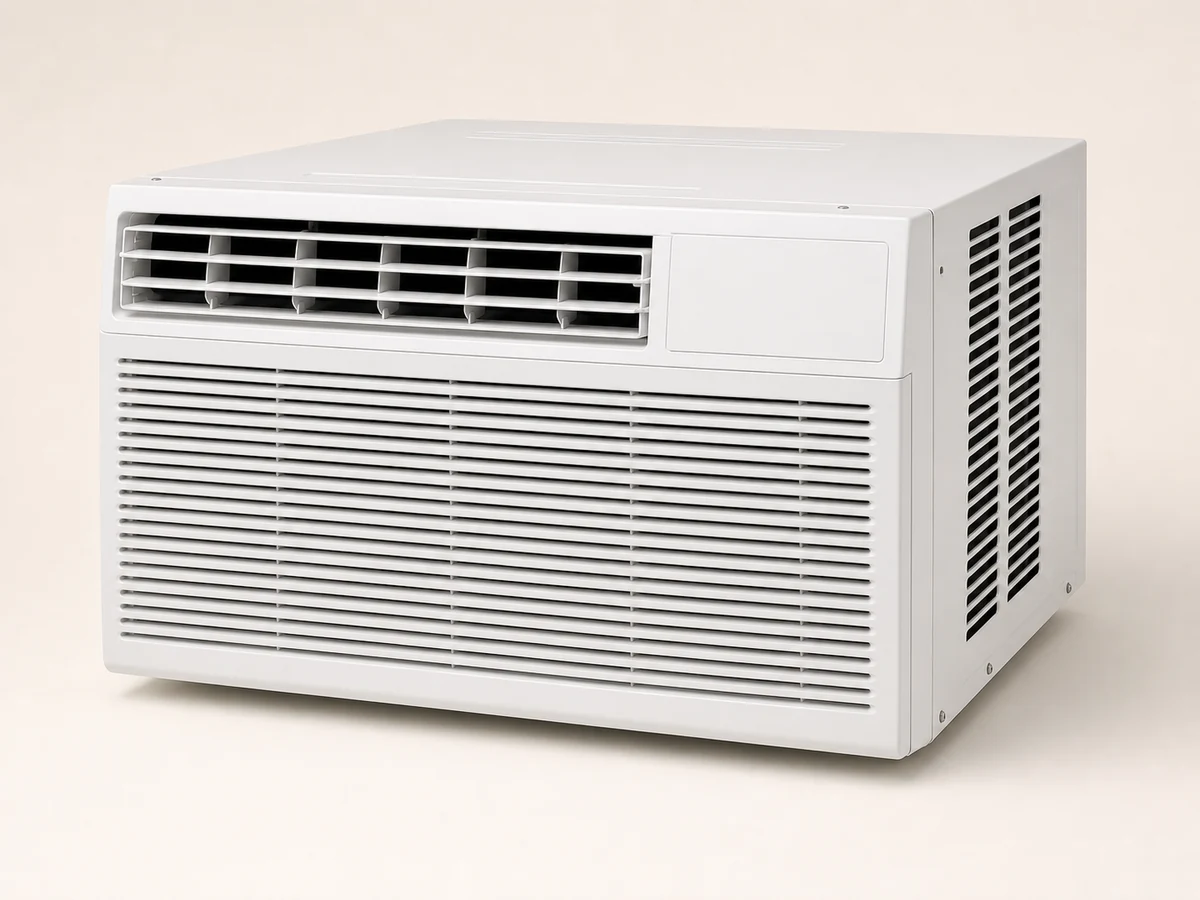
Window type
Describe the unit position, outside access, removal boundary, protection below and wash-water collection.
View window-type cleaning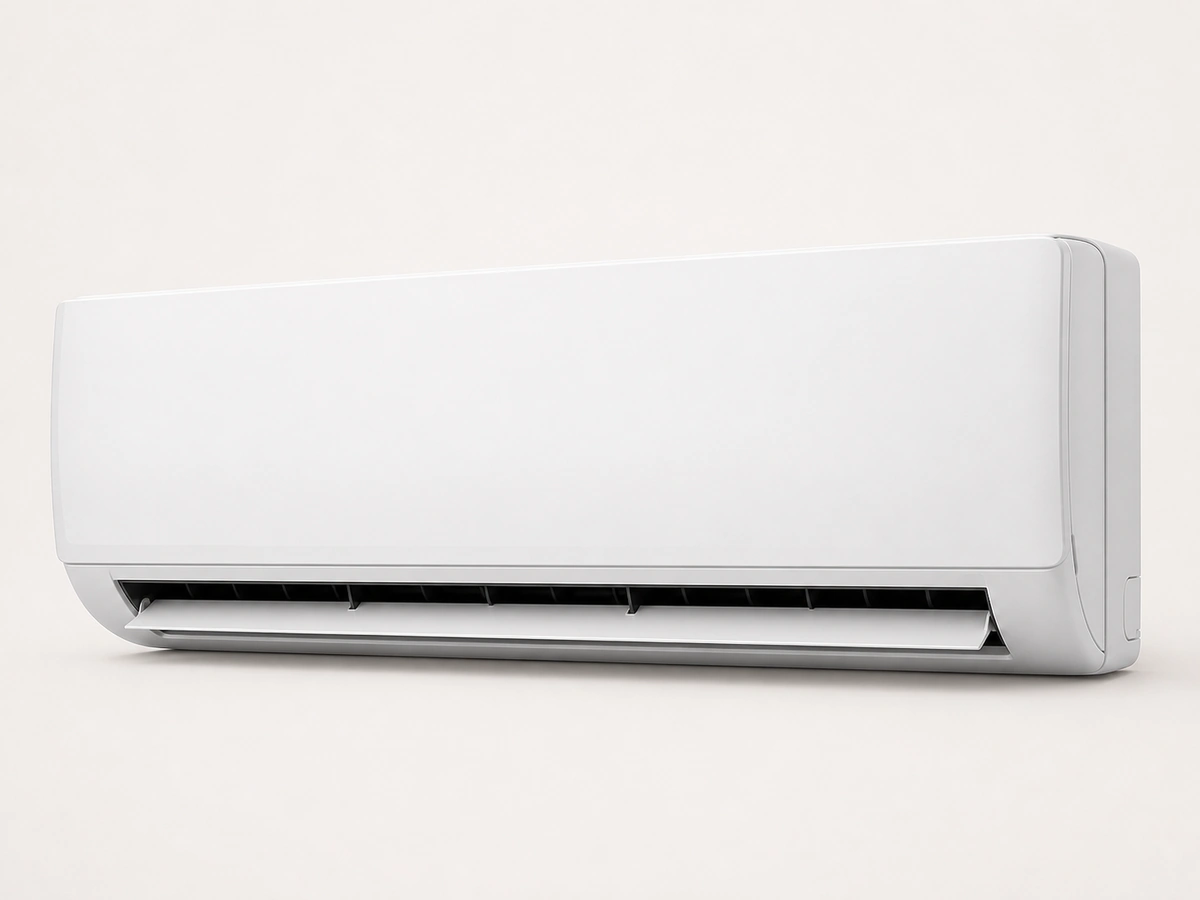
Wall-mounted split
Clarify the accessible indoor-unit components, wall and furniture protection, drainage, and whether the outdoor unit is separate.
View wall-mounted split cleaning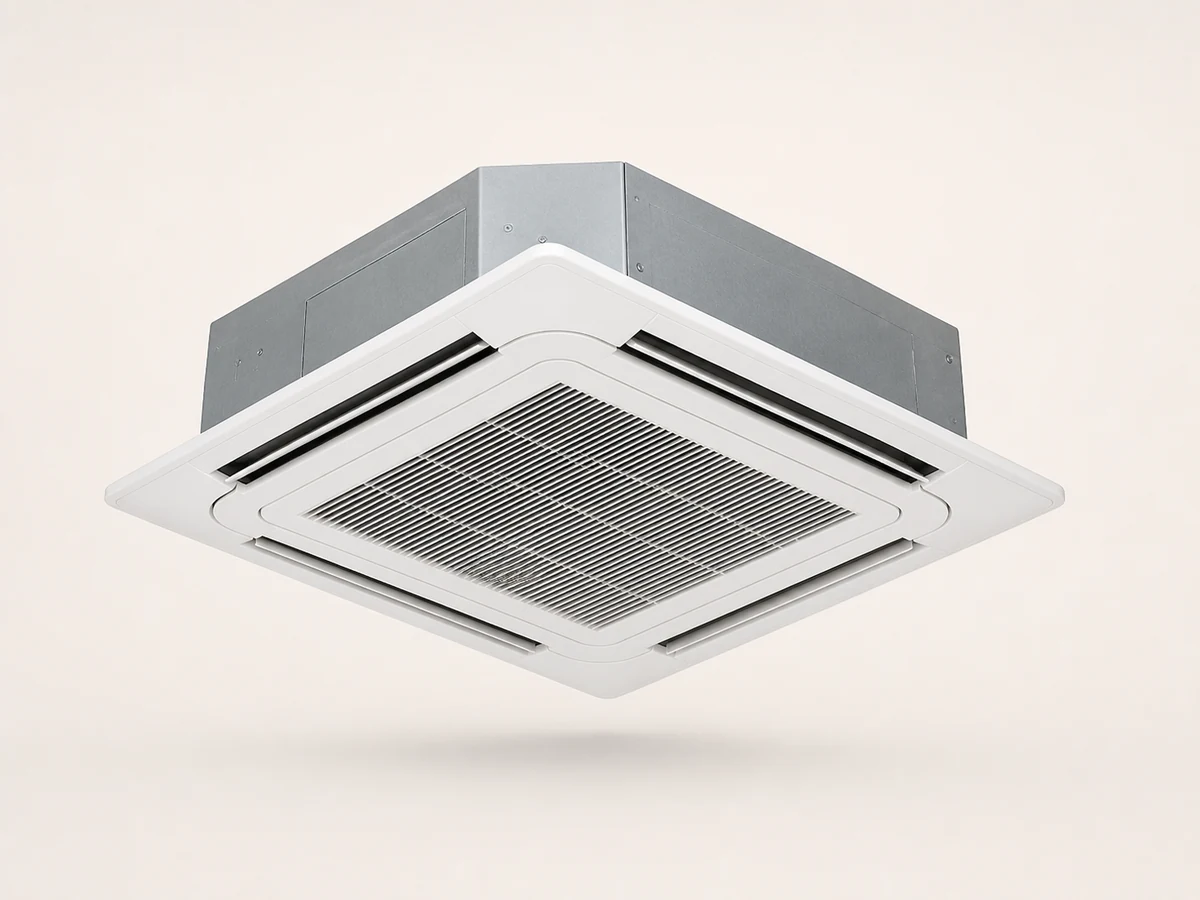
Ceiling cassette / four-way
Allow for high-level access, ceiling and floor protection, panels, vanes, fan wheel, drain pan and pump access.
View ceiling cassette cleaning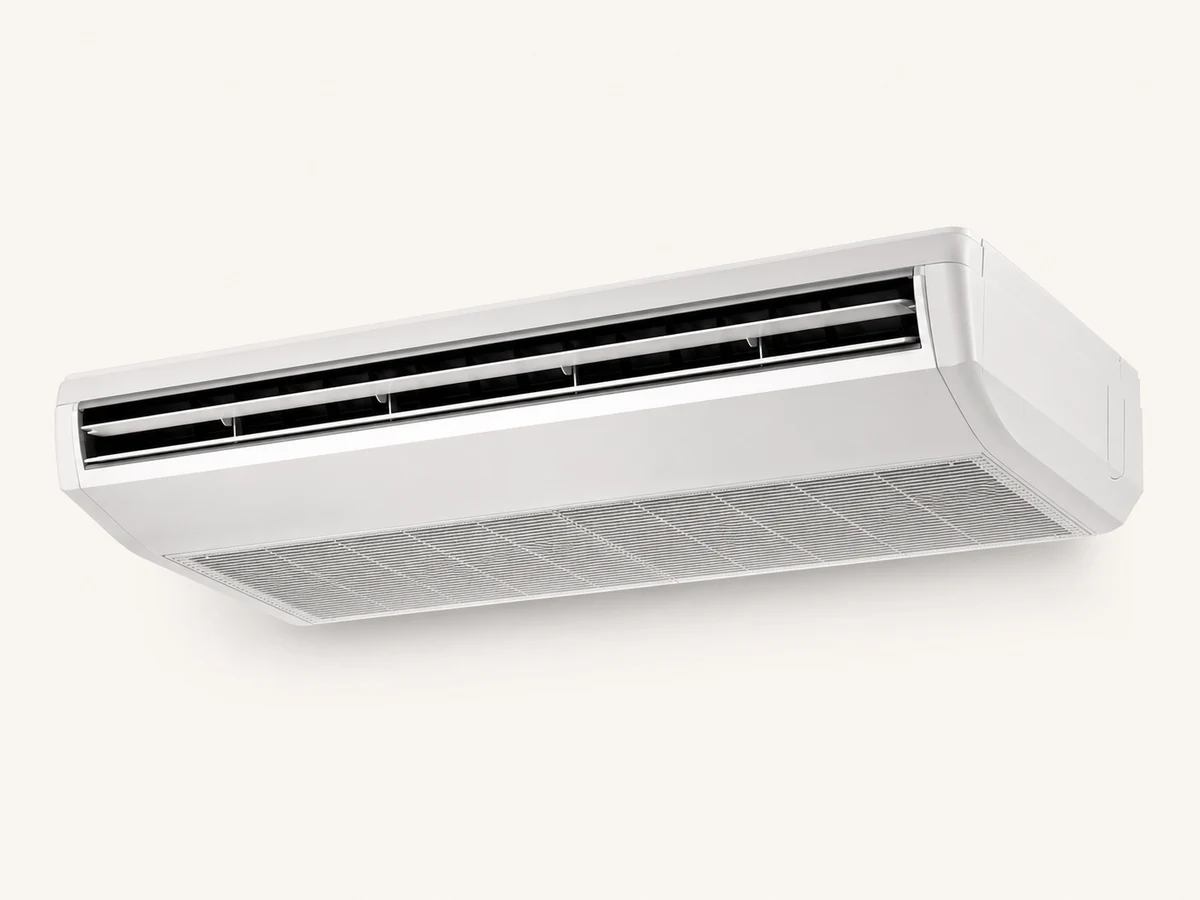
Ceiling-suspended
Define the installed height, casing and fan-wheel access, work platform, shutdown and area below.
View ceiling-suspended cleaning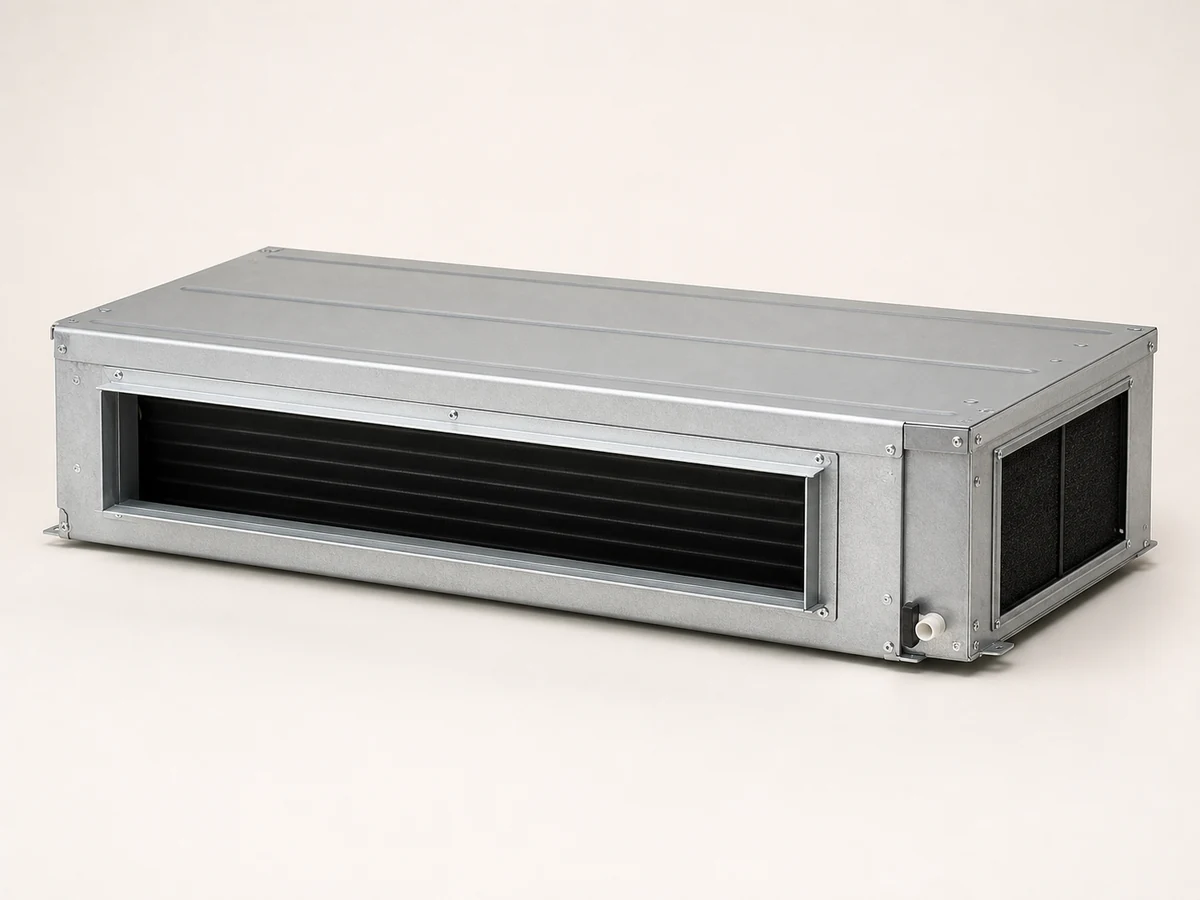
Concealed ducted split
Start with the access-panel size and position, reachable components, ceiling reinstatement, and the boundary between the unit and ductwork.
View concealed ducted cleaning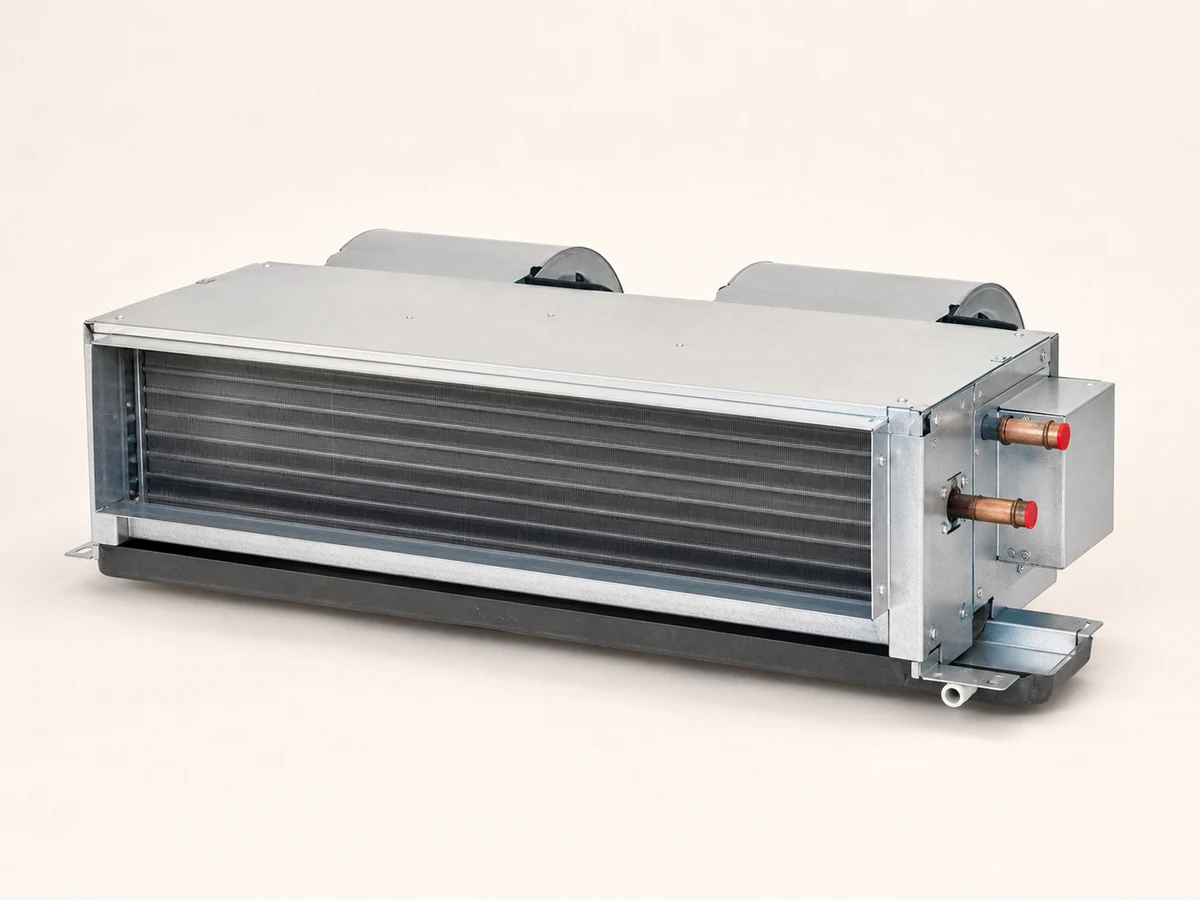
FCU / fan coil unit
Confirm ceiling access, isolation, filter, coil, fan and drain scope. Valves and water-side work need separate definition.
View FCU cleaning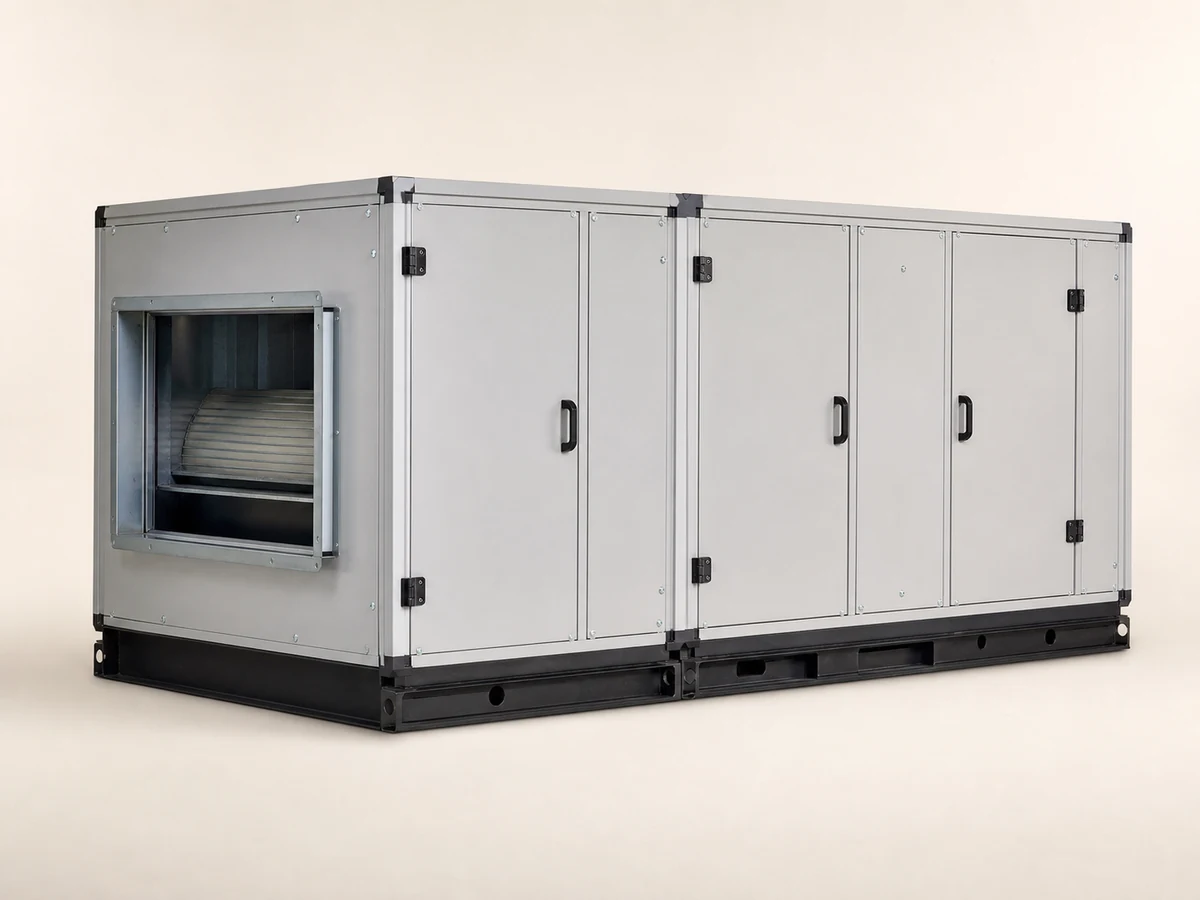
AHU / PAU
Assess the unit by section, plant-room access, isolation, containment, cleaning products and technical handover needs.
View AHU / PAU cleaning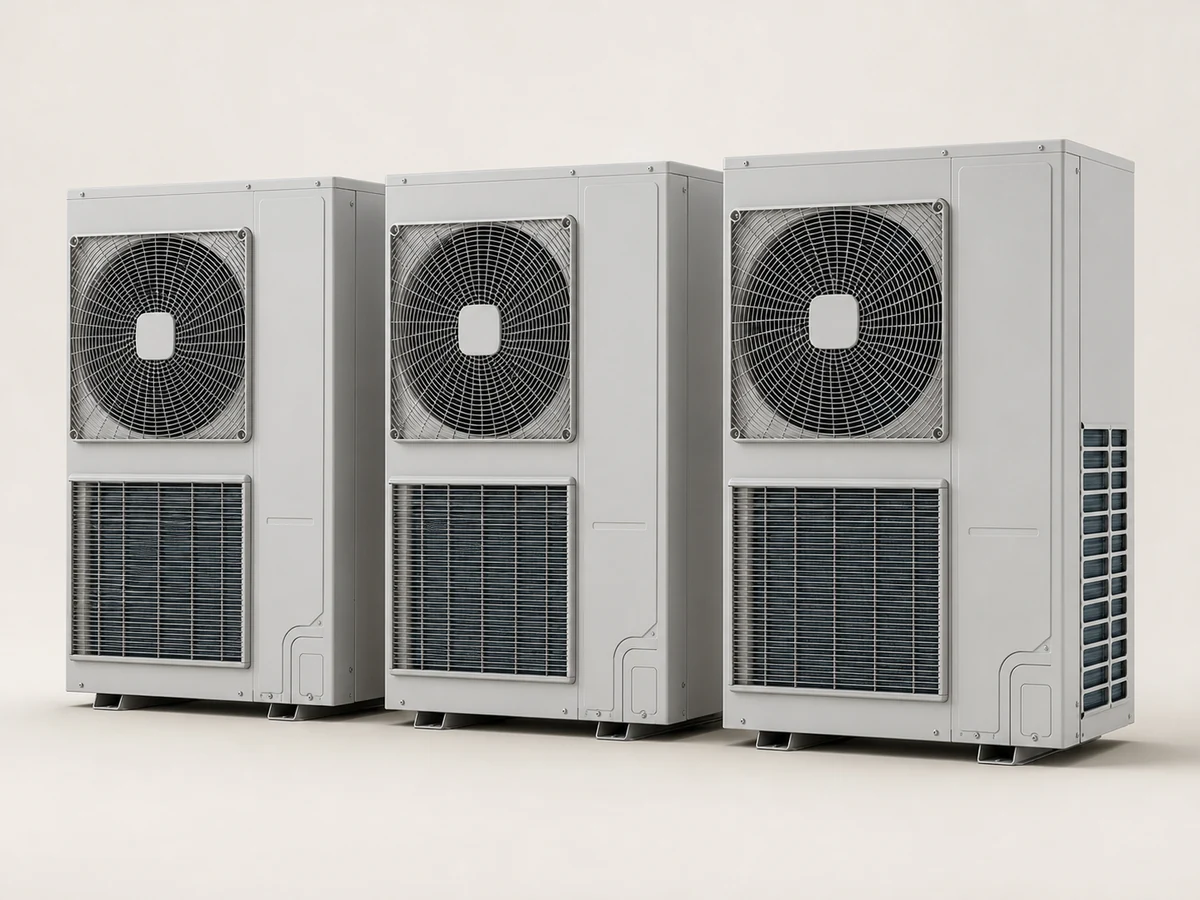
VRV / VRF multi-unit work
Organise equipment location, zones, controllers and shutdown sequences first. The physical indoor-unit type determines the cleaning method.
View VRV / VRF multi-unit cleaning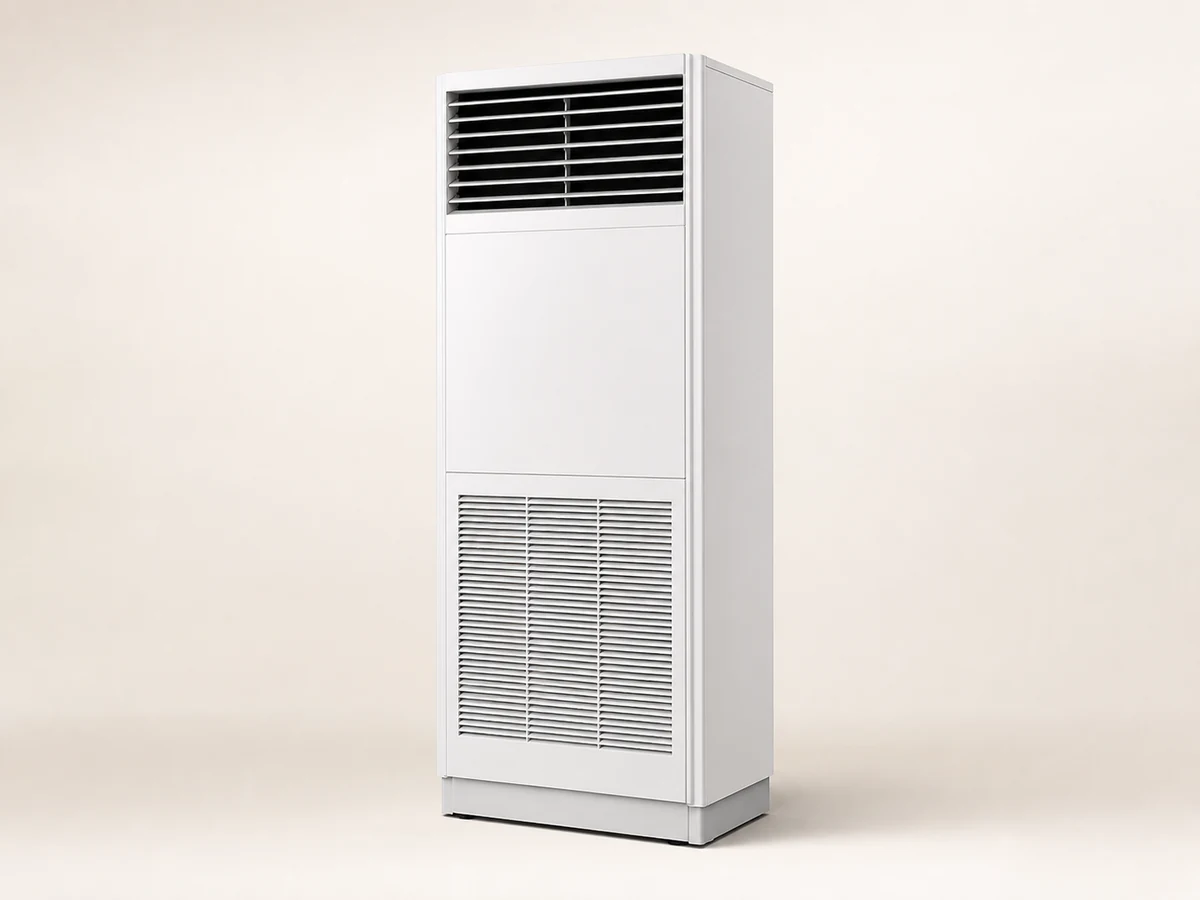
Floor-standing / cabinet
Confirm the equipment type, fixed or movable installation, dismantling boundary, nearby space and wash-water arrangement.
View floor-standing and cabinet cleaning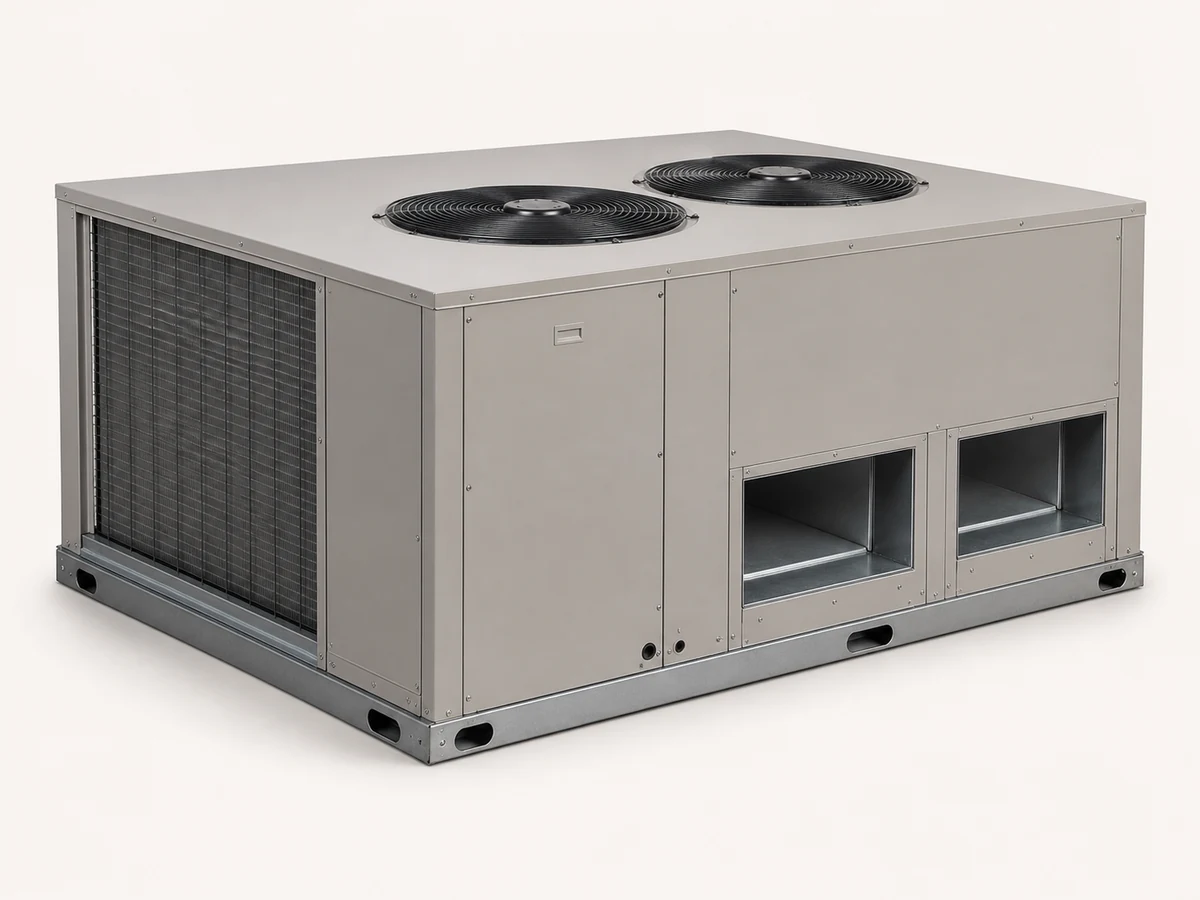
Packaged / rooftop unit
Roof access, weather, isolation and the integrated coil, fan, filter and drain scope require a separate technical assessment.
View packaged and rooftop cleaningBefore and after
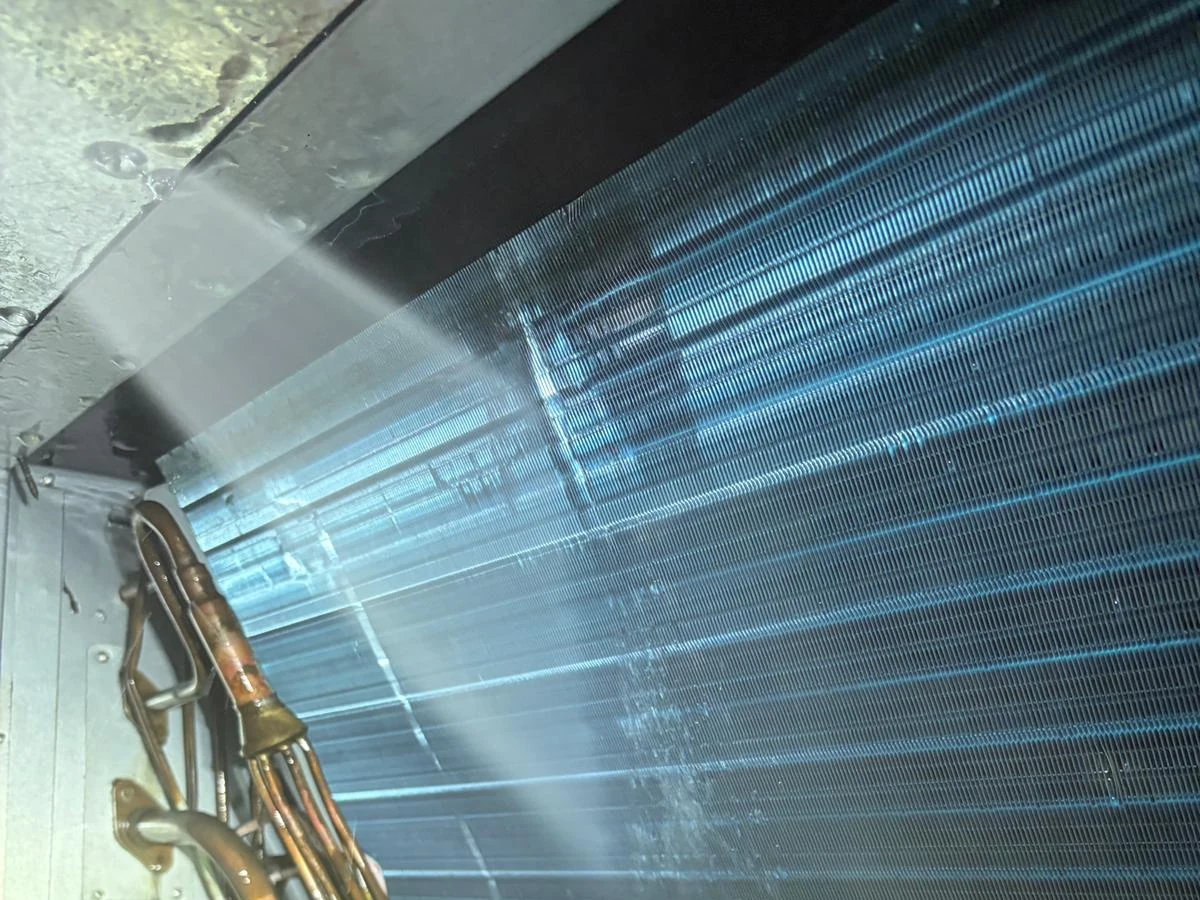
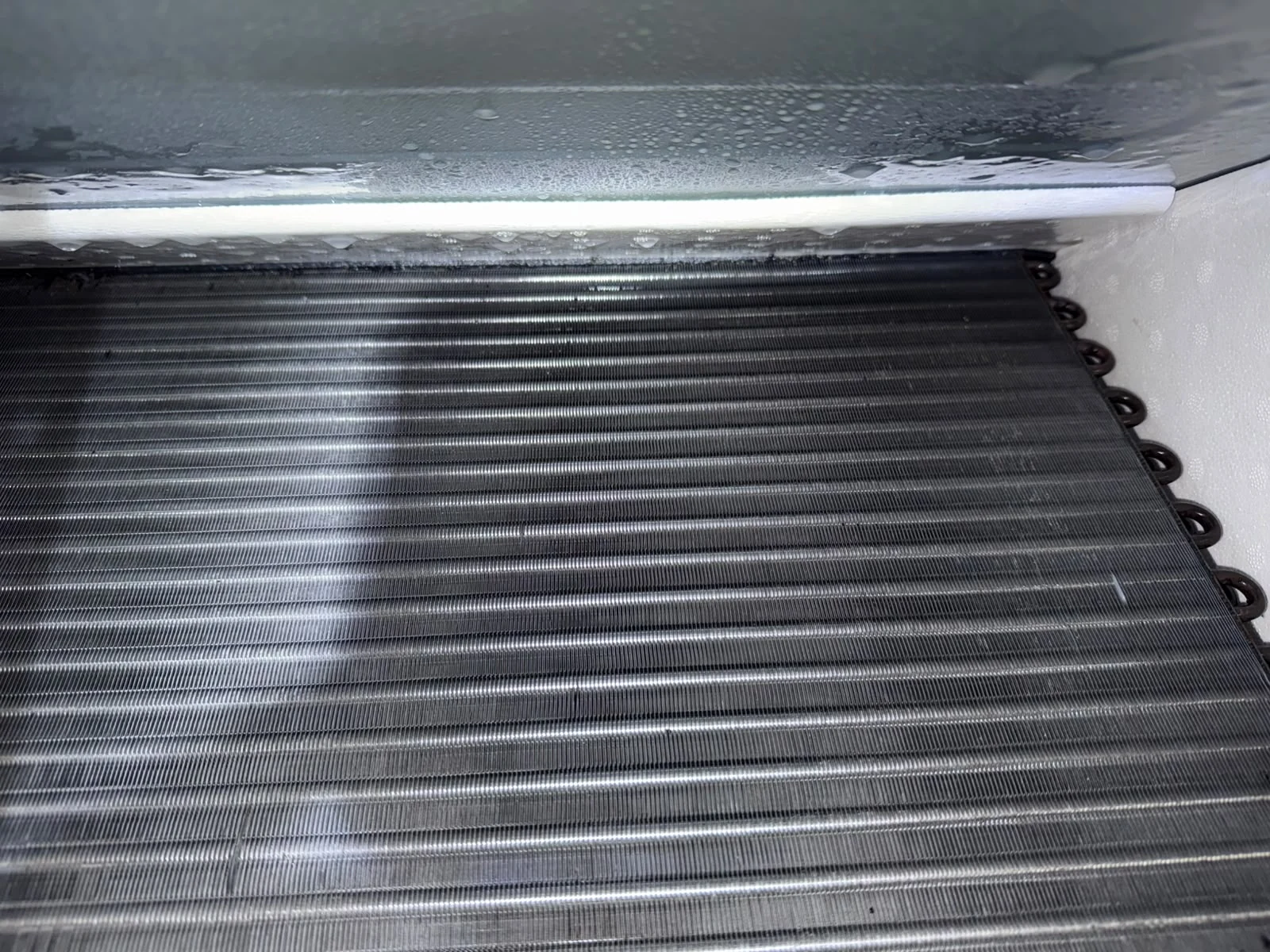
Drag the divider to reveal the difference
Each pair was photographed from similar positions to show the visible difference at the same part before and after cleaning. The photos are a visual comparison only; they do not demonstrate airflow, performance, energy savings, IAQ, disinfection or fault resolution.


Before quotation
Six details that replace assumptions with a usable scope
You do not need every detail before making contact. Share what you have. Take photos only from ground level or another safe, permitted position; do not dismantle equipment, climb or approach live parts.
- 01
Premises and contacts
Site address and use, site contact, building-management rules and access procedure.
- 02
Equipment and quantities
List assets by floor, zone or branch. Include existing equipment location where available.
- 03
Installed positions and photos
Show ceiling height, access panels, nearby furniture or stock, access arrangements and available work space.
- 04
Operations and available work periods
Explain opening hours, areas that cannot stop, works outside operating hours and clearance limits.
- 05
Current condition and components
Record odour, leaks, noise, airflow or other observations, plus any requested filter, coil, fan or drainage scope.
- 06
Handover and quotation format
State whether you need asset-level photos, statuses, exceptions, sign-off, reports or a specific RFQ format.

Survey first, then compare quotations
When the equipment, locations, quantities and access conditions match, you can see whether competing quotations cover the same assets and components.
General work scenario, not a customer project record.Cleaning scope
A cleaning quotation should say exactly what will be done
There is no single method for every unit. Steps, tools, cleaning products and frequency need to follow the equipment instructions, materials, observed condition and site requirements.
- 01
Match assets and components
Check each asset, location and agreed component scope before work, including existing condition and inaccessible areas.
- 02
Arrange isolation and protection
Follow the site requirements for shutdown, power or control isolation, protection below, wash-water collection, work zones and pedestrian access.
- 03
Work on the agreed components
Use the confirmed method only on reachable filters, coils, fan wheels, drain pans, casings or other listed components.
- 04
Dry, reinstate and observe
After reinstatement, review drainage, leaks, unusual noise, alarms and basic operation. Record any incomplete check or additional defect separately.
Outdoor units, replacement parts, electrical work, refrigerant work, repairs, ductwork, fresh-water cooling towers, IAQ measurement and other specialist tasks are assessed separately where relevant and listed in the quotation.
Operating arrangements
Plan the available work period through to reinstatement
Define the affected area
Confirm equipment, furniture, stock, emergency exits, entrances, sensitive areas, permits and the site contact person.
Build protection and sequence into the plan
Work by zone or asset, controlling the work area, wash water, tools, removed parts and interfaces with other trades.
Allow time for drying, checks and clearance
The window must cover more than cleaning. Reinstatement, basic operating observations, open-item reporting and site clearance also take time.
For several branches or sites, use one asset-field set, photo angle, completion status and exception format, then schedule each location around its own operating and access restrictions.
Choose the right next step
Some conditions require repair
or a separate specialist assessment first
Cleaning can reveal a fault, but it is not a diagnosis
Poor cooling, persistent leaks, breaker trips, alarms, damaged parts or unusual noise need assessment before cleaning, repair and replacement can be sequenced.
Whole-system duct cleaning is not a routine add-on
Duct work needs a documented condition trigger, safe access, containment, debris collection, reinstatement and a plan to correct the contamination source.
Water treatment, sampling and records form a separate regime
Cooling-tower cleaning and disinfection are not part of an ordinary indoor-unit clean. The system, current requirements and competent specialists must shape the arrangement.
Visual cleanliness is not an IAQ assessment
Ordinary photos or operating observations do not prove disinfection, health improvement, energy savings, restored design capacity or IAQ certification.
Common questions
Questions to settle before a commercial AC cleaning quotation
Will cleaning always resolve poor cooling or a water leak?
No. Dirt or drainage condition can be one factor, but parts, controls, refrigerant, electrical supply, installation and other faults can produce similar symptoms. Record the issue and equipment first, then separate cleaning from diagnosis and repair.
Does the quotation automatically include outdoor units?
No. The position, access, working height, isolation, environment and condition of an outdoor unit change the method and scope. State any outdoor-unit requirement in the enquiry.
How often should commercial AC equipment be cleaned?
There is no universal interval for every site. Use the manufacturer instructions, equipment type, operating hours, environment, maintenance history, inspection findings and competent review.
Can work be arranged outside operating hours or by zone?
Raise the requirement when you enquire. Feasibility depends on site rules, labour, access, isolation, noise, drying, reinstatement and return-of-area time. There is no default available work period or duration.
What should be confirmed before a cleaning product is used?
Confirm the product, intended use, material compatibility, current SDS, application method, ventilation, rinsing or drying, site protection, and wash-water and waste arrangements. Methods should not be fixed across every unit and site.
Does cleaning result in IAQ certification?
No. IAQ certification has a separate inspection, measurement, assessment and certification process. Ordinary cleaning records and photos describe the work and visible condition; they do not establish certification or a health outcome.
Start with the equipment, quantities and locations,
together with the available work period
Use the photos and equipment information you already have. We will identify what is needed to assess the site and define the quotation around accessible components, protection, wash-water and handover requirements. If another issue is found during cleaning, we will explain what can be followed up during the visit and what should be arranged separately for inspection or repair.