
Commercial AC cleaning · Ceiling cassette units
Ceiling Cassette and Four-Way AC Cleaning
For ceiling cassette units in offices, shops, schools or care settings, start with the unit count, model, ceiling height, access arrangement, available work period and the area below. Evolt Cool Engineering uses those details to define the accessible components, drainage arrangements and handover records before setting the quotation scope.
- Unit form and count
- Ceiling and access
- Shutdown and handover
Identify the unit first
Different airflow patterns still need a model and access check
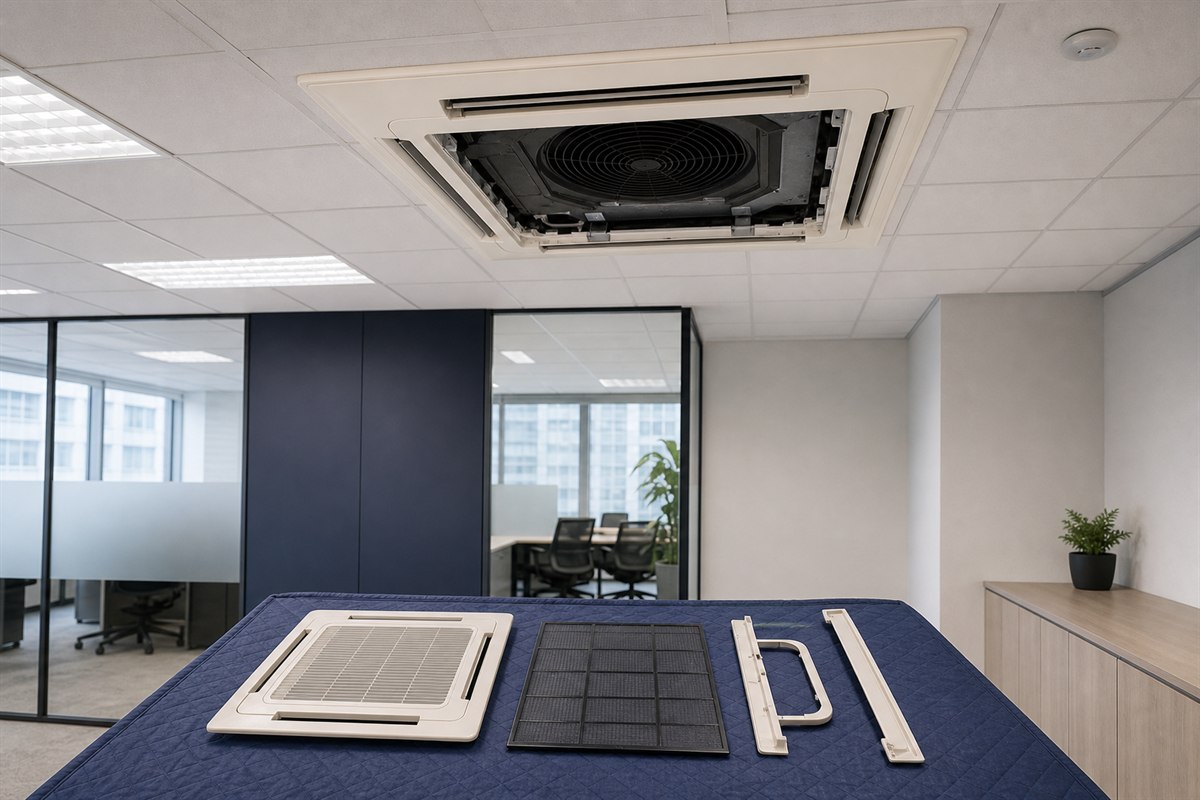
One-way, two-way, four-way, compact and round-flow cassette units can use this quotation process. Provide photographs of the panel, outlets, equipment label, controller and the wider ceiling area rather than relying on a product nickname.
- This page covers: cassette indoor units recessed into the ceiling, with the panel and outlets close to the ceiling face.
- Related equipment information: exposed ceiling-suspended units, concealed ducted units and central-MVAC terminal equipment have their own service information.
- For multi-unit systems: include the controller zones and VRV/VRF relationship so shutdown and restart planning is not separated from the unit list.
Common enquiry situations
A useful quotation covers unit pricing
and occupied-space conditions
Cassette units sit above staff, customers, students or service users. The operating environment affects the quotation, available work period and protection plan.
Several units at one site
List each unit by location, model and controller zone so phasing, shutdowns and handover records can follow the asset list.
The area below cannot be cleared easily
Retail fixtures, office equipment, treatment areas or fixed furniture change the protection area and available working space.
High ceilings or obstructions
The high-level access plan considers the unit count together with light troughs, pipework, glazed partitions and narrow access.
Drips or operating faults
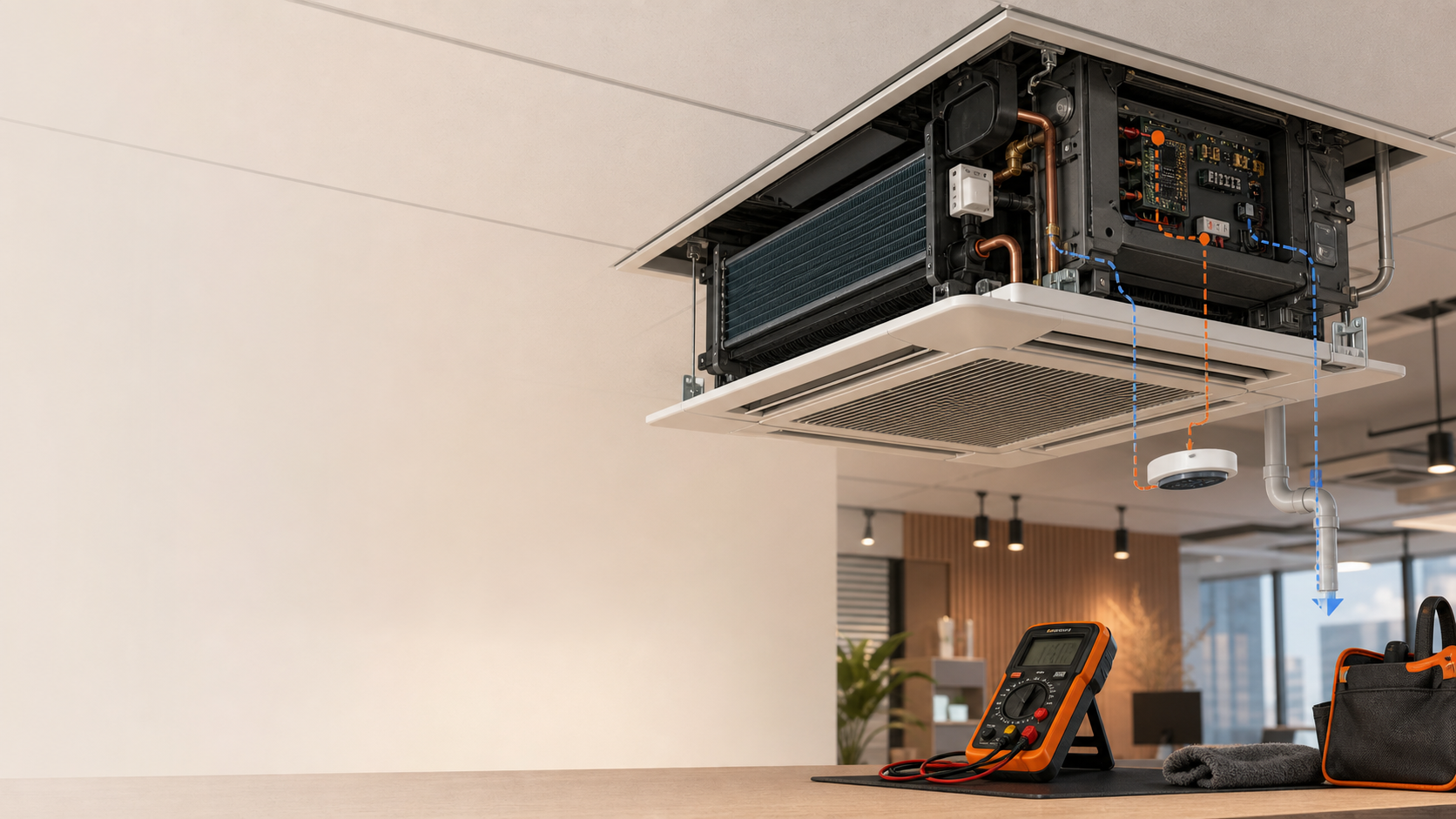
Cleaning can expose a condition, but leaks, component faults, electrical issues and refrigerant work need a separate diagnosis.
Quotation inputs
Eight details that reduce follow-up questions
You can enquire before every detail is available. A site visit is often more useful where ceilings are high, the premises stay busy or several controller zones are involved.
- 01
Unit count, airflow form and model photographs
- 02
Room, zone or floor for each unit
- 03
Ceiling height, ceiling type and nearby obstructions
- 04
Controllers, zones and any VRV/VRF relationship
- 05
Operating hours and available work period
- 06
Furniture, stock or equipment below the units
- 07
Available water, drainage and cleaning-water constraints
- 08
Reported issues, maintenance history and handover needs
Component scope
The quotation should name what is accessible,
removable and treatable
Cassette construction varies by brand and model. The quotation confirms the treatment for panels, louvres, return grilles, filters, coils, fans, drain pans, pumps and drainage on each unit.
Visible external parts
Panel, outlets, louvres, return-air grille and filter.
Accessible internal areas
Coil, fan or blower and drain pan, subject to the model and service access.
Drainage observations
Pump, connections and discharge can be observed where agreed; faults and replacement are not ordinary cleaning.
Reinstatement points
Drying, panel reinstatement, basic startup and controller response, with exceptions recorded.

Planning the workday
Five main steps for ceiling-cassette cleaning
Ceiling cassettes are often positioned above occupied areas. Before work starts, confirm high-level access, protection below, shutdown and isolation, and how wash water will be collected and handled.

- 01
Confirm the cassette type and discharge pattern
Check each unit’s location, model, discharge direction, quantity, ceiling height, quoted components and available work period.
- 02
Plan work at height and protect the area below
Confirm shutdown and isolation, suitable access equipment, work-zone separation, furniture and floor protection, and wash-water handling.
- 03
Clean the quoted accessible components
Follow the unit design when treating the panel, filter, safely accessible coil, fan, drain pan and drainage components.
- 04
Refit and check basic operation
After drying, refit the components, restart the unit and check basic air discharge, unusual noise and visible drainage.
- 05
Complete unit-by-unit acceptance
Check the completed scope, reinstatement, basic observations and follow-up items against the quotation.
Scope boundaries
Related Diagnosis, Repair and System Maintenance Services
Leaks, unusual noise, tripping, control faults, refrigerant work, duct issues and multi-unit coordination have different responsibilities. They are assessed separately and listed clearly in the quotation.
Faults, leaks and parts
Diagnosis, repair or component replacement.
Commercial AC repair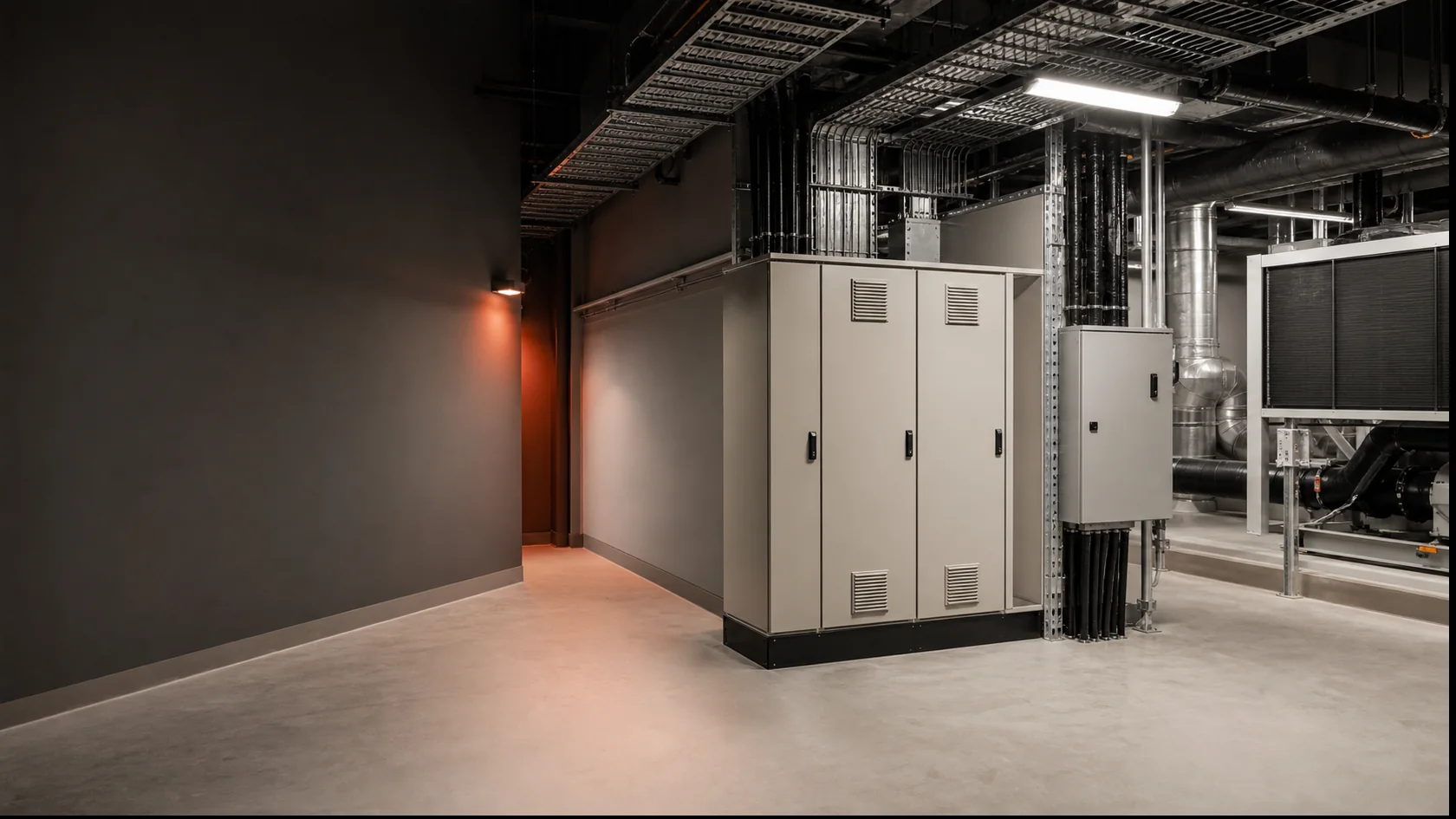
Electrical and control issues
Tripping, supplies, distribution and related control work.
Electrical supporting works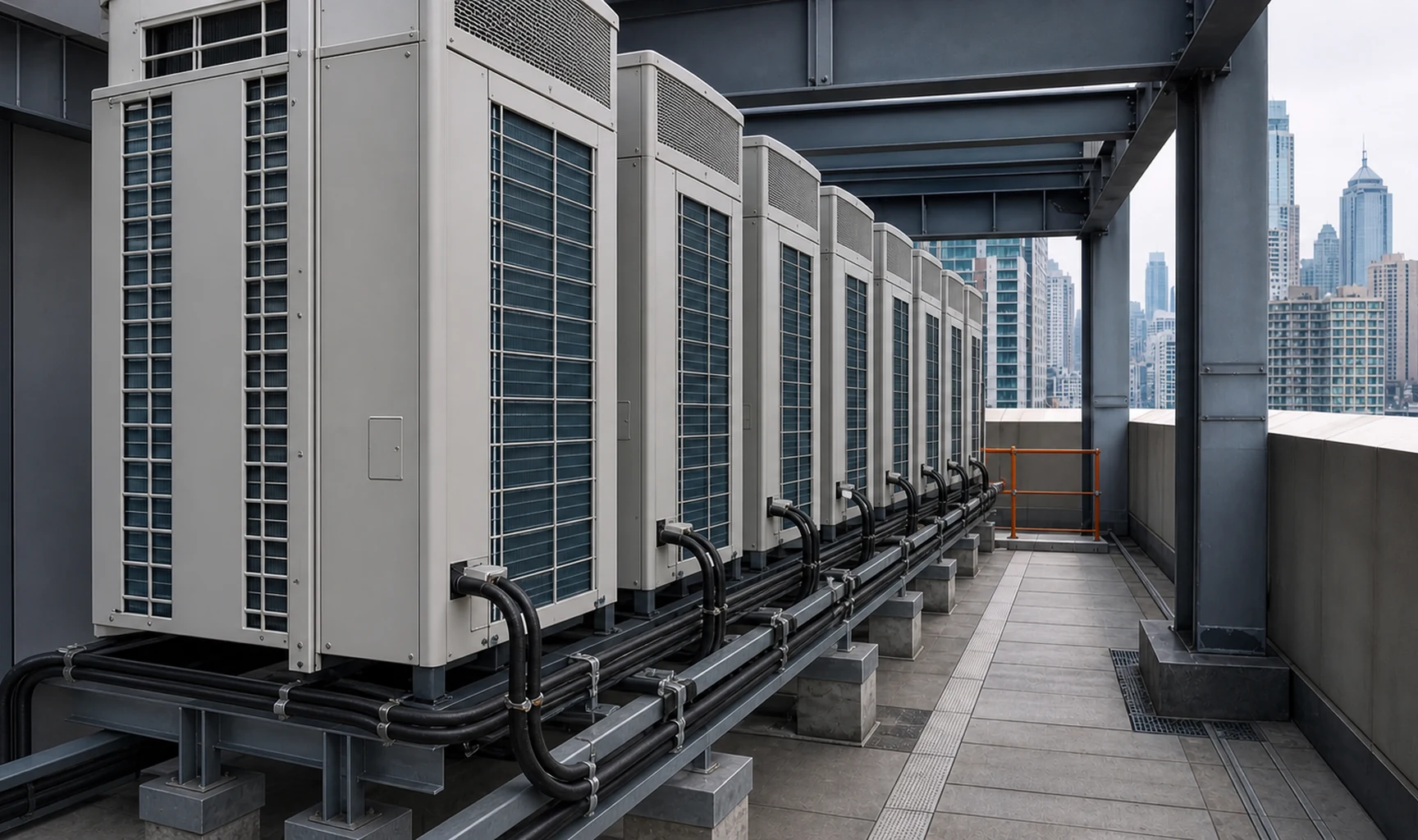
VRV/VRF systems
Refrigerant, controls, system assessment, repair and upgrades.
VRV/VRF systems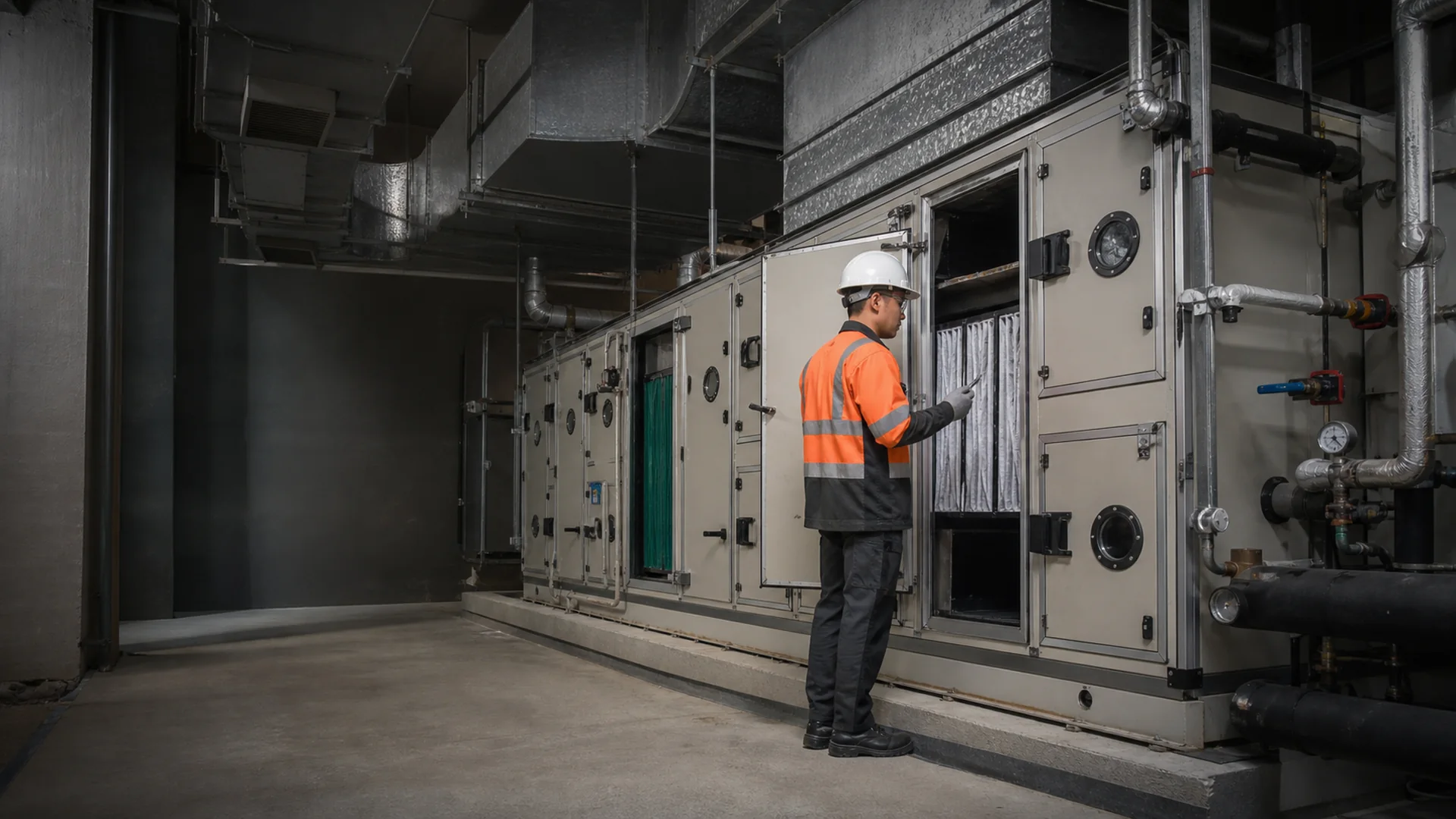
AHU/FCU and central MVAC
Terminal equipment and broader central-air-conditioning maintenance.
AHU and FCU support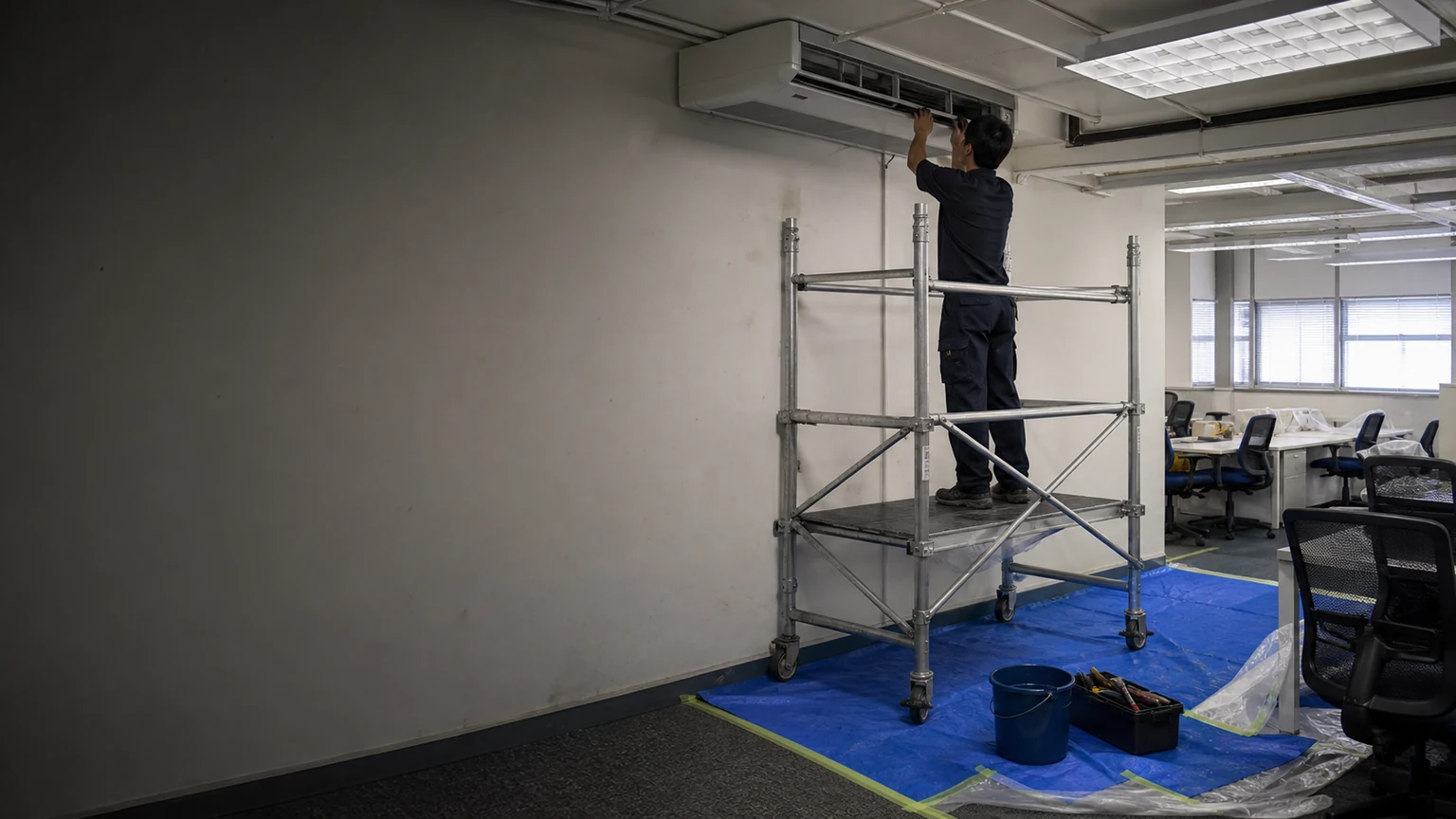
Exposed ceiling-suspended units
Access, protection and cleaning for exposed bodies.
Ceiling-suspended cleaning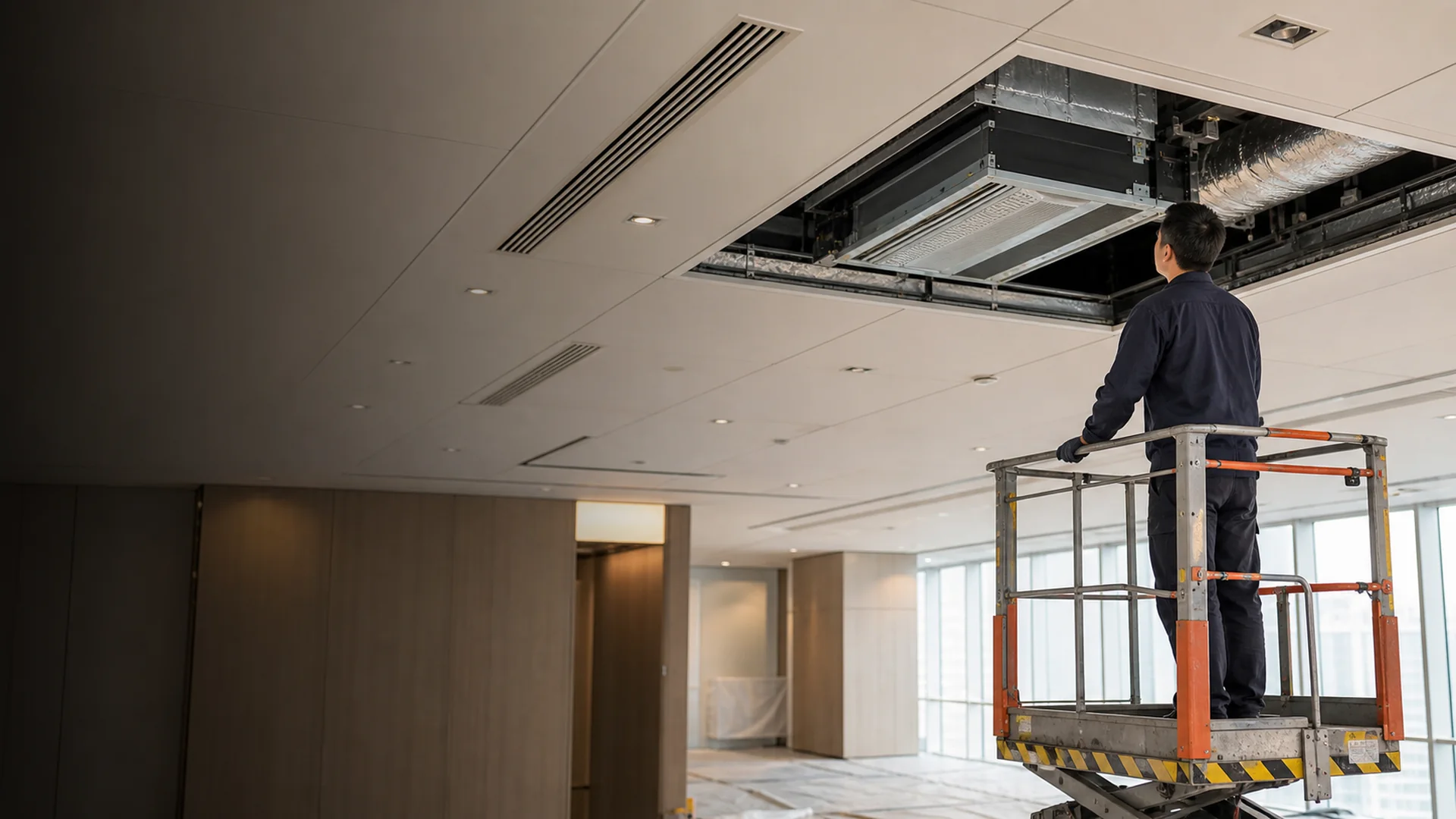
Concealed ducted units
Access panels, unit boundaries and duct-related constraints.
Concealed ducted cleaningHandover records
Know what was treated and what requires a separate arrangement
Agree the handover format during quotation. Where photography is restricted, equipment locations and written records can be used while respecting privacy and operational requirements.
- 01Equipment location
Record the room, zone or model so the site contact can match each record to the correct unit.
- 02Completed items and exceptions
State the treated components and any inaccessible areas, with the reason.
- 03Drainage and restart observations
Record the agreed drainage observation, reinstatement, basic startup and controller response.
- 04Follow-up items
List damage, leaks, unusual noise or other issues separately for the relevant repair service.
Frequently asked questions
Ceiling cassette cleaning quotation questions
How often should ceiling cassette units be cleaned?
There is no single interval for every site. Use the manufacturer’s instructions, operating hours, site conditions, maintenance history and inspection findings. A high-use or dusty site need a different plan from a general office.
How are dripping issues handled during cleaning?
Build-up in the drain pan, pump or discharge pipe can be a factor, while connections, pump faults, installation, condensation and other defects can also contribute. We record the findings and confirm whether cleaning or a separate repair is appropriate.
Can the work be carried out outside office hours?
Provide the operating hours, noise restrictions, access arrangements and available work period with the enquiry. We will review staffing, site conditions and scope, then confirm the feasible timing.
Will chemicals be used?
Chemical use is confirmed from the model, deposits, materials and approved method. If a product is proposed, confirm its name, purpose, method, current safety data sheet and site restrictions before work starts.
How can performance after cleaning be verified?
Cleaning addresses the agreed cleaning scope. Where the project needs to verify design airflow, cooling capacity, indoor air quality or energy performance, the corresponding measurements and system assessment are defined separately.
Prepare a quotation
Provide unit and ceiling photographs
so we can confirm whether a site visit is needed
Include the unit count, model, room or zone, ceiling height, area below and available work period. We can identify the details to confirm first and arrange a site visit for more complex premises.
Provide the cassette details, ceiling conditions
and operating limits in one enquiry
We will organise the scope around the model, location, access, shutdown and handover needs. Start with photographs; a site visit can cover what they cannot confirm. If another issue is found during cleaning, we will explain what can be followed up during the visit and what should be arranged separately for inspection or repair.