
Repair or Replace? A Commercial Air-conditioning Decision Framework
Repair-or-replace decisions for ageing commercial air-conditioning should compare fault frequency, downtime impact, parts availability, equipment condition, sustainable post-repair performance, electrical and site constraints and the expected future use period. A lower one-off repair price does not automatically mean lower long-term risk.
Image note: This image is a concept visual created for the topic of this article, not a photograph of an Evolt Cool Engineering project.
Three points to establish first
When deciding how to handle Repair or Replace? A Commercial Air-conditioning Decision Framework, start with these points and link each one to the actual equipment, location and responsible person.
Faults and downtime
Organise recent faults, repeated symptoms, downtime, temporary controls and affected operations. Keep the responsible person, confirmation date and next action together instead of leaving an important constraint across separate message threads.
Repairs and parts
List replaced parts, unapproved quotations, parts delays, repeated failure of the same component and warranty status. Where the available information cannot support a conclusion, state the photograph, test or site confirmation still required rather than presenting an assumption as a result.
Equipment and site condition
Record age information, corrosion, controls compatibility, power, drainage, outdoor-unit location and replacement constraints. Keep this information in the same record so the quotation, site arrangements and completion review use consistent equipment names and locations.
Build an evidence-based condition record
Without fault and repair history, the decision can be dominated by the latest quotation.
When the site representative prepares for Repair or Replace? A Commercial Air-conditioning Decision Framework, Bring faults and downtime, repairs and parts, equipment and site condition into one decision view so the site representative can see what is confirmed and what still needs clarification. The site representative can then check each location and record unresolved items before the work date instead of dealing with them at mobilisation.
In the record for Repair or Replace? A Commercial Air-conditioning Decision Framework, the resulting record should separate equipment identity, site conditions and unresolved points so the next person does not need to reconstruct the decision. If the actual condition differs from the submitted information, update the scope, owner and date before deciding whether the affected work can continue.
When repair may still be reasonable
Repair may be reasonable where the fault is understood, parts are available, the rest of the equipment is in acceptable condition and downtime can be managed.
To turn Repair or Replace? A Commercial Air-conditioning Decision Framework into a workable site arrangement, Compare one identifiable fault, parts and support remain available, the repaired asset still suits the use against the same equipment, constraints and acceptance requirements rather than relying on the total price or one visible symptom. This gives the buyer a common basis for comparing proposals and documenting why a particular scope was approved.
In the record for Repair or Replace? A Commercial Air-conditioning Decision Framework, the comparison should state the common baseline, explain why each difference matters and identify anything that must be confirmed before approval. For several units or areas, separate the record by floor, zone or equipment type so one exception does not obscure the rest of the review.
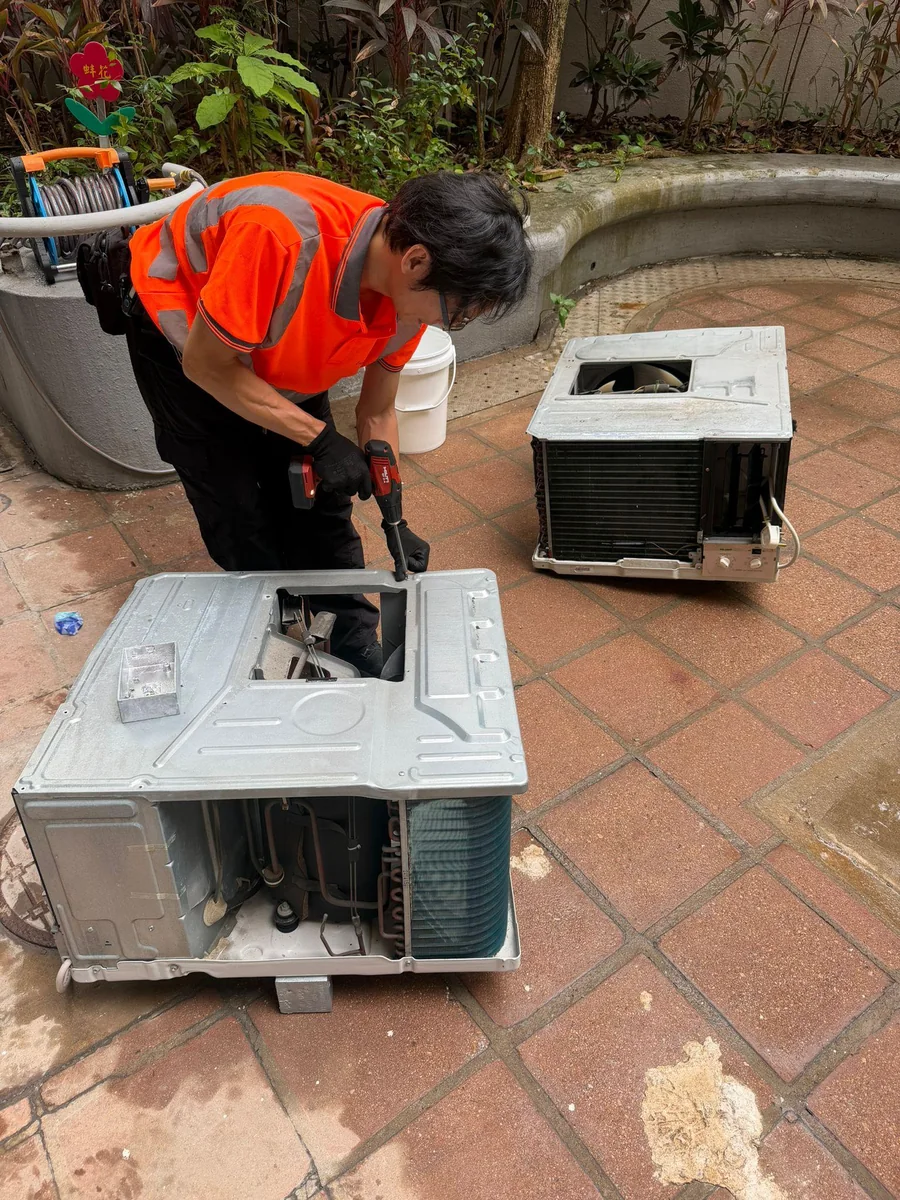
One identifiable fault
The issue is concentrated in one repairable component without signs of several major systems ageing together. The site representative can then check each location and record unresolved items before the work date instead of dealing with them at mobilisation.
Parts and support remain available
Suitable parts, information and repair support are reasonably available, with clear testing and warranty conditions. If the actual condition differs from the submitted information, update the scope, owner and date before deciding whether the affected work can continue.
The repaired asset still suits the use
Capacity, controls and site use have not materially changed and the repaired asset can support the expected use period. The record should be clear to someone who was not present and distinguish completed work, unavailable checks and separately arranged follow-up.
Signals that justify replacement review
Replacement is not automatic because equipment is “old”. It becomes relevant when accumulated risks make repair a weak support for operations.
Before approving work related to Repair or Replace? A Commercial Air-conditioning Decision Framework, Use recurring faults and rising downtime, parts or system constraints, site requirements have changed for approval or follow-up only when the source, date and equipment location can be traced. Where the available information cannot support a conclusion, state the photograph, test or site confirmation still required rather than presenting an assumption as a result.
In the record for Repair or Replace? A Commercial Air-conditioning Decision Framework, keep the document name, equipment location and date aligned so a later reviewer can trace the conclusion to the original information. Keep this information in the same record so the quotation, site arrangements and completion review use consistent equipment names and locations.
Recurring faults and rising downtime
The same equipment or system fails repeatedly, returns to fault soon after repair and continues to affect operations. This gives the buyer a common basis for comparing proposals and documenting why a particular scope was approved.
Parts or system constraints
Major parts are difficult to obtain, alternatives carry risk or controls and refrigerant constraints are becoming more significant. For several units or areas, separate the record by floor, zone or equipment type so one exception does not obscure the rest of the review.
Site requirements have changed
Occupancy, hours, zoning or critical-room needs have moved beyond the original use and a repair cannot address the gap. Keep the responsible person, confirmation date and next action together instead of leaving an important constraint across separate message threads.
Use one time and risk basis for management comparison
Repair and replacement options should use the same expected use period, downtime assumptions and treatment of uncertainty.
For Repair or Replace? A Commercial Air-conditioning Decision Framework, Check option scope, operational arrangement, decision and review date against an actual location, responsible person and record instead of leaving them as broad wording in a quotation or message. If the actual condition differs from the submitted information, update the scope, owner and date before deciding whether the affected work can continue.
In the record for Repair or Replace? A Commercial Air-conditioning Decision Framework, after the check, keep missing information, its owner and the due date together; retain the date and supporting record for every confirmed point. The record should be clear to someone who was not present and distinguish completed work, unavailable checks and separately arranged follow-up.
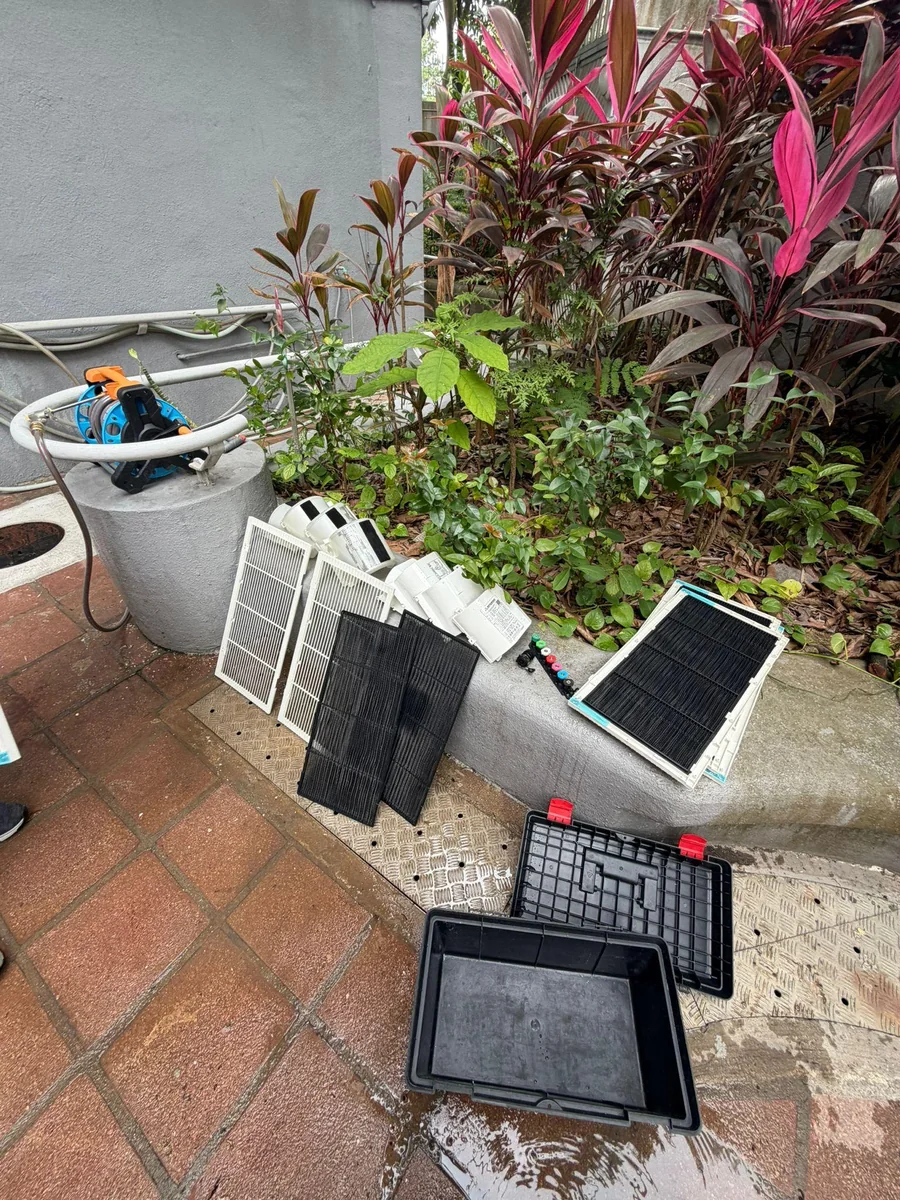
- 01
Option scope
Separate repair, replacement, supporting electrical, controls, drainage, reinstatement and excluded work. Where the available information cannot support a conclusion, state the photograph, test or site confirmation still required rather than presenting an assumption as a result.
- 02
Operational arrangement
Compare shutdown, phasing, temporary measures, access and peak-season risk for each option. Keep this information in the same record so the quotation, site arrangements and completion review use consistent equipment names and locations.
- 03
Decision and review date
Record the selected option, main reasons, points still to confirm and the next asset-review date. The site representative can then check each location and record unresolved items before the work date instead of dealing with them at mobilisation.
Common questions and next steps
These answers help site representatives organise the available information and confirm the next action for Repair or Replace? A Commercial Air-conditioning Decision Framework. The actual response still depends on equipment condition, site constraints and the approved scope.
Before deciding the next action for Repair or Replace? A Commercial Air-conditioning Decision Framework, review the equipment list, current photographs, known symptoms, available work period, access constraints and any previous quotation or service record together. Mark the date, person confirming each item and anything still outstanding. Separate several units or premises by location. This gives the contractor and site team a common basis without treating unmeasured, uninspected or unapproved work as confirmed.
Does a repair-cost percentage automatically determine replacement?
The decision depends on the equipment, site conditions and confirmed requirements. Record age information, corrosion, controls compatibility, power, drainage, outdoor-unit location and replacement constraints. Keep the responsible person, confirmation date and next action together instead of leaving an important constraint across separate message threads. Obtain written confirmation where the decision affects safety, cost or shutdown arrangements.
Does continued operation mean replacement is unnecessary?
The decision depends on the equipment, site conditions and confirmed requirements. Organise recent faults, repeated symptoms, downtime, temporary controls and affected operations. Where the available information cannot support a conclusion, state the photograph, test or site confirmation still required rather than presenting an assumption as a result. Obtain written confirmation where the decision affects safety, cost or shutdown arrangements.
Should replacement options include shutdown and reinstatement costs?
The decision depends on the equipment, site conditions and confirmed requirements. Separate repair, replacement, supporting electrical, controls, drainage, reinstatement and excluded work. Keep this information in the same record so the quotation, site arrangements and completion review use consistent equipment names and locations. Obtain written confirmation where the decision affects safety, cost or shutdown arrangements.
Prepare the site information for Repair or Replace? A Commercial Air-conditioning Decision Framework
Share the equipment locations, types, quantities, current photographs, operating constraints and available work period so Evolt Cool Engineering can understand the relevant site scope. Include the site contact, access arrangements and any known shutdown restriction so the next discussion can focus on the affected equipment and practical work requirements.